
What to Expect During a Professional Furnace Inspection
A professional furnace inspection is one of the best ways to keep your home comfortable, efficient, and safe during colder months. While many homeowners only think about their heating system when something stops working, an inspection can identify small concerns before they turn into major problems. Furnaces work hard throughout the heating season, and over time, parts can wear down, filters can clog, airflow can weaken, and safety controls can become less reliable. Having a professional examine the system gives you a clearer understanding of its condition and helps you plan for repairs or maintenance before you are left without heat.
Understanding what happens during a furnace inspection can also make the process feel easier and more worthwhile. A trained technician looks at the system from several angles, including safety, performance, cleanliness, airflow, and overall efficiency. The goal is not only to find problems but also to help the furnace operate as smoothly as possible. Whether your system is newer or aging, regular inspections can help protect your comfort and reduce the chance of needing unexpected furnace repair during the coldest part of the year.
Checking the System for Safety
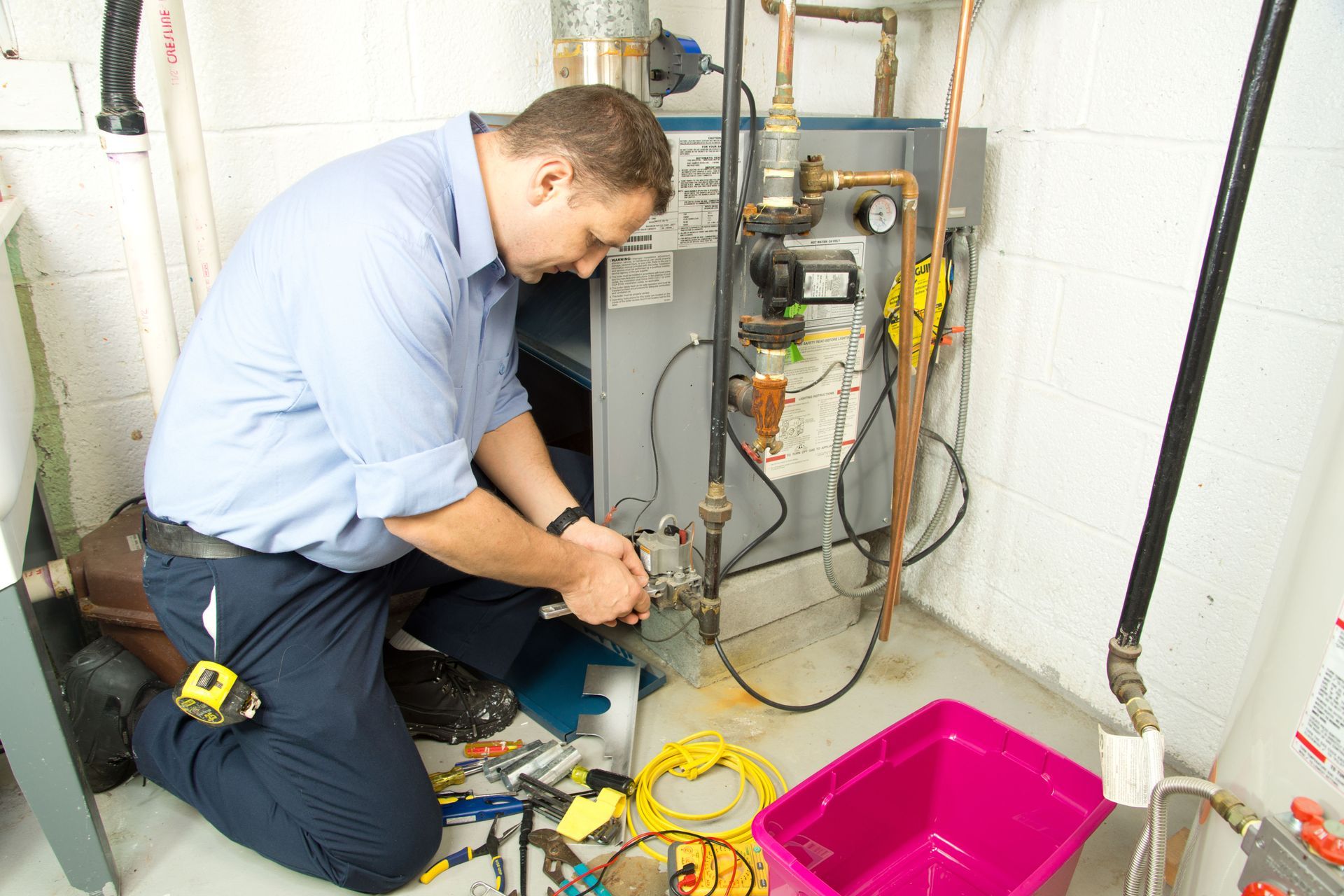
Safety is one of the most important parts of any furnace inspection. A technician will look for issues that could affect how safely the unit operates, including gas leaks, damaged wiring, loose connections, or signs of overheating. If the furnace uses gas, the inspection may include checking burners, ignition components, and the heat exchanger for visible concerns. These steps help identify conditions that could become dangerous if they are ignored.
The technician may also test safety controls to confirm that the system shuts down properly when needed. These controls are designed to protect your home if the furnace overheats or operates outside normal conditions. When safety features are not working correctly, the furnace may continue running when it should not. Catching these issues early can help prevent hazards and may reduce the risk of emergency furnace repair later in the season.
Inspecting the Heat Exchanger
The heat exchanger is a critical component because it separates combustion gases from the warm air that circulates through your home. During an inspection, a technician will look for visible cracks, corrosion, or other signs of damage. A damaged heat exchanger can create serious safety concerns, especially if combustion gases are able to enter the home's air supply. Because this part is so important, it receives careful attention during a professional inspection.
Problems with the heat exchanger are not always obvious to homeowners. Your furnace may still produce heat even when this component is beginning to fail. A professional inspection helps uncover warning signs that may not be visible from the outside of the unit. If damage is found, the technician can explain whether replacement, further evaluation, or furnace repair is the best next step.
Evaluating the Airflow and Filters
Good airflow is necessary for steady heating and efficient performance. During an inspection, the technician will check the air filter, blower motor, vents, and return air pathways to see whether the system is moving air properly. A dirty filter can restrict airflow and force the furnace to work harder than necessary. Over time, this strain can contribute to higher energy bills, uneven heating, and unnecessary wear on parts.
The technician may also look for signs that airflow problems are affecting comfort throughout the home. Weak airflow from vents, hot and cold spots, or frequent cycling can all point to issues within the system. In some cases, replacing a filter or cleaning certain components may improve performance. In other cases, airflow trouble may point to the need for furnace repair if a blower motor, belt, or related part is not working correctly.
Testing the Thermostat and Controls
The thermostat plays an important role in how your furnace responds to temperature changes. During an inspection, a technician may test the thermostat to make sure it is reading the temperature accurately and communicating properly with the heating system. If the thermostat is not calibrated correctly, the furnace may run too often, not often enough, or at the wrong times. This can affect both comfort and energy use.
The inspection may also include checking system controls, wiring, and connections that help the furnace start and stop correctly. Even a small electrical issue can cause inconsistent heating or prevent the system from turning on when needed. By testing these controls, the technician can find problems before they lead to a breakdown. This step is especially helpful for homeowners who have noticed short cycling, delayed starts, or inconsistent indoor temperatures.
Cleaning Key Furnace Components
A furnace inspection often includes checking whether key components need cleaning. Dust, dirt, and debris can collect inside the system over time, especially around burners, blower parts, and compartments near the air filter. When these areas become dirty, the furnace may lose efficiency and struggle to deliver steady heat. A clean system can operate more smoothly and may experience less strain during heavy use.
Cleaning also gives the technician a better view of the furnace's condition. Once debris is removed, it may be easier to spot worn parts, corrosion, loose components, or other concerns. This is one reason inspections and maintenance often go hand in hand. Keeping the system clean can help extend its service life and reduce the likelihood of furnace repair caused by avoidable buildup or restricted operation.
Reviewing the Furnace's Age and Condition
The age of your furnace matters because older systems often require closer attention. According to HomeGuide, a furnace's lifespan typically ranges from 15 to 30 years, with longevity influenced by factors such as the brand, fuel type, quality of installation, frequency of use, and regular maintenance. During an inspection, a technician may consider the system's age alongside its current performance, repair history, and visible wear. This helps determine whether the furnace is still operating reliably or showing signs of decline.
If the furnace is older, the technician may help you understand which issues are normal signs of aging and which ones require immediate attention. Some worn parts can be replaced, while repeated breakdowns may suggest that the system is becoming less dependable. A professional inspection gives you useful information for planning ahead. Instead of waiting for a sudden failure, you can decide whether maintenance, furnace repair, or future replacement makes the most sense.
Explaining the Inspection Findings
After the inspection is complete, the technician should explain what was found in clear, practical terms. This may include reviewing the condition of the filter, burners, blower, thermostat, safety controls, wiring, and other important components. If everything is working well, you will have peace of mind knowing the system is prepared for continued use. If concerns are found, you can learn what needs attention and why it matters.
A good inspection also gives you the opportunity to ask questions about your heating system. You may want to know how often to change the filter, whether unusual noises are a concern, or what signs may indicate a future problem. Clear communication helps you make informed decisions about maintenance and repairs. When recommendations are explained properly, it is easier to understand whether a repair is urgent or can be planned for later.
A professional furnace inspection helps protect your comfort, safety, and budget by identifying concerns before they become larger problems. From checking the heat exchanger and safety controls to evaluating airflow, cleaning key components, and reviewing the system's overall condition, each step gives you valuable insight into how well your furnace is working. Regular inspections can also help reduce unexpected breakdowns, improve efficiency, and make it easier to plan for maintenance, future replacement, or furnace repair. If you want dependable heating and professional guidance for your home, contact Joe Pro Plumbing - Heating -Air today.

Share On: