
The Secret to a Longer-Lasting Water Heater
The secret to a longer-lasting water heater comes down to proactive care, timely updates, and knowing when to call for professional assistance. For many families, this appliance operates quietly in the background until a sudden cold shower reveals a major breakdown. Neglecting routine maintenance can lead to scale buildup, reduced efficiency, and premature tank failure. We understand that keeping your household running smoothly means keeping your plumbing and HVAC systems in top shape. By making small adjustments and scheduling regular service, we can significantly extend the lifespan of your unit and save you money on utility bills.
Select the Right System
Choosing the correct type of water heating system is the first step toward long-term efficiency and durability. Standard storage tanks are the most common choice, but tankless models, heat pump systems, and hybrid units provide distinct operational advantages depending on your needs. According to The Spruce, traditional tank water heaters have a lifespan of around 8 to 12 years, while tankless models can last up to 20 years. Selecting a system that matches your hot water demands ensures the unit will not experience constant operational strain. We help determine whether a classic tank or a highly efficient tankless option fits your property layout.
Identify Key Structural Components
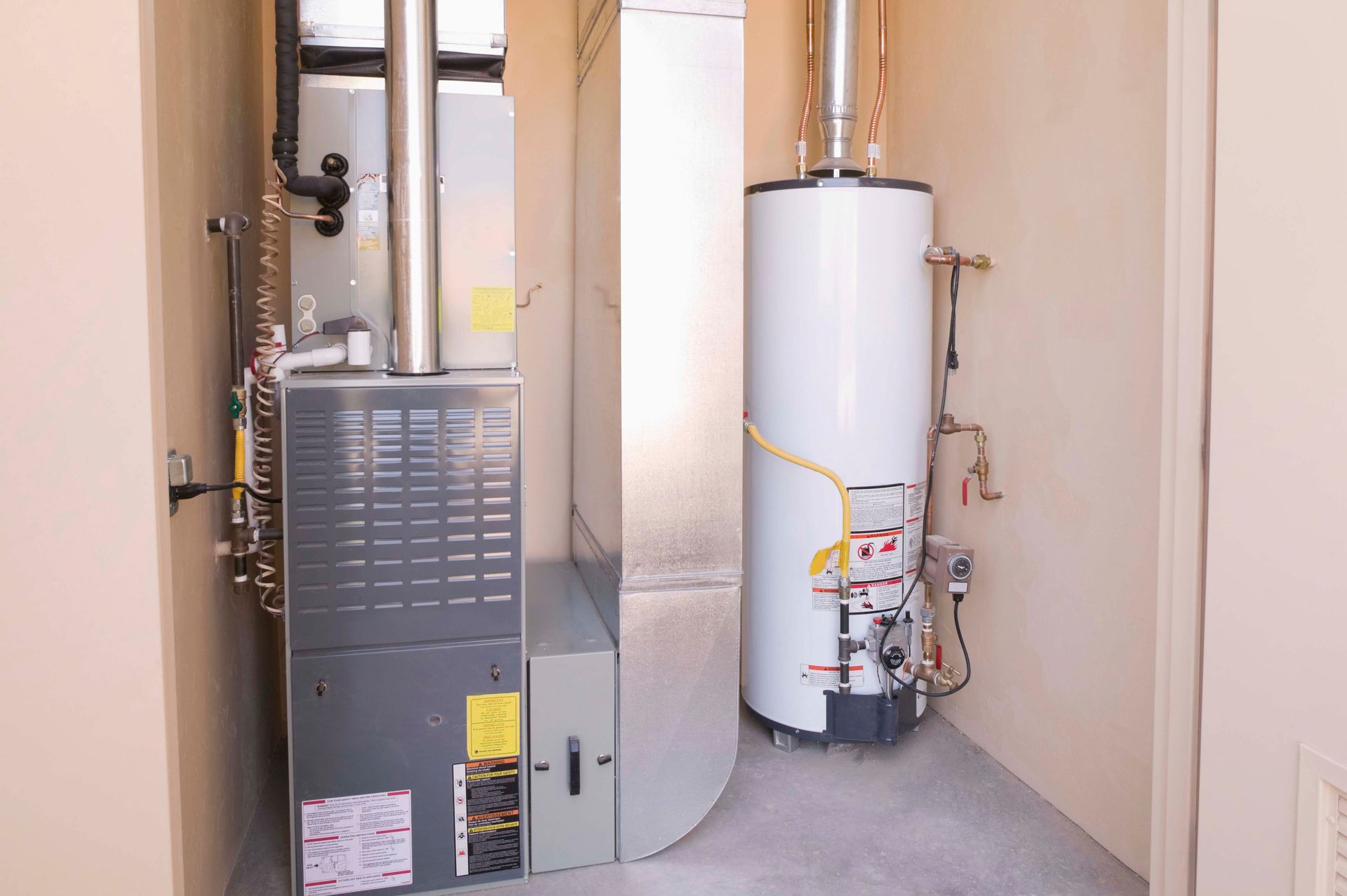
Recognizing how the internal parts of your unit function helps you identify early signs of deterioration. The storage tank holds the heated water, while the burner or heating elements provide the thermal energy. A critical component called the anode rod works constantly to attract corrosive elements in the water, sacrificing itself to protect the steel lining of the tank. The thermostat manages the internal temperature to prevent overheating and energy waste. When these components wear out, timely water heater repair becomes essential to prevent total system breakdown.
Watch for Warning Signs
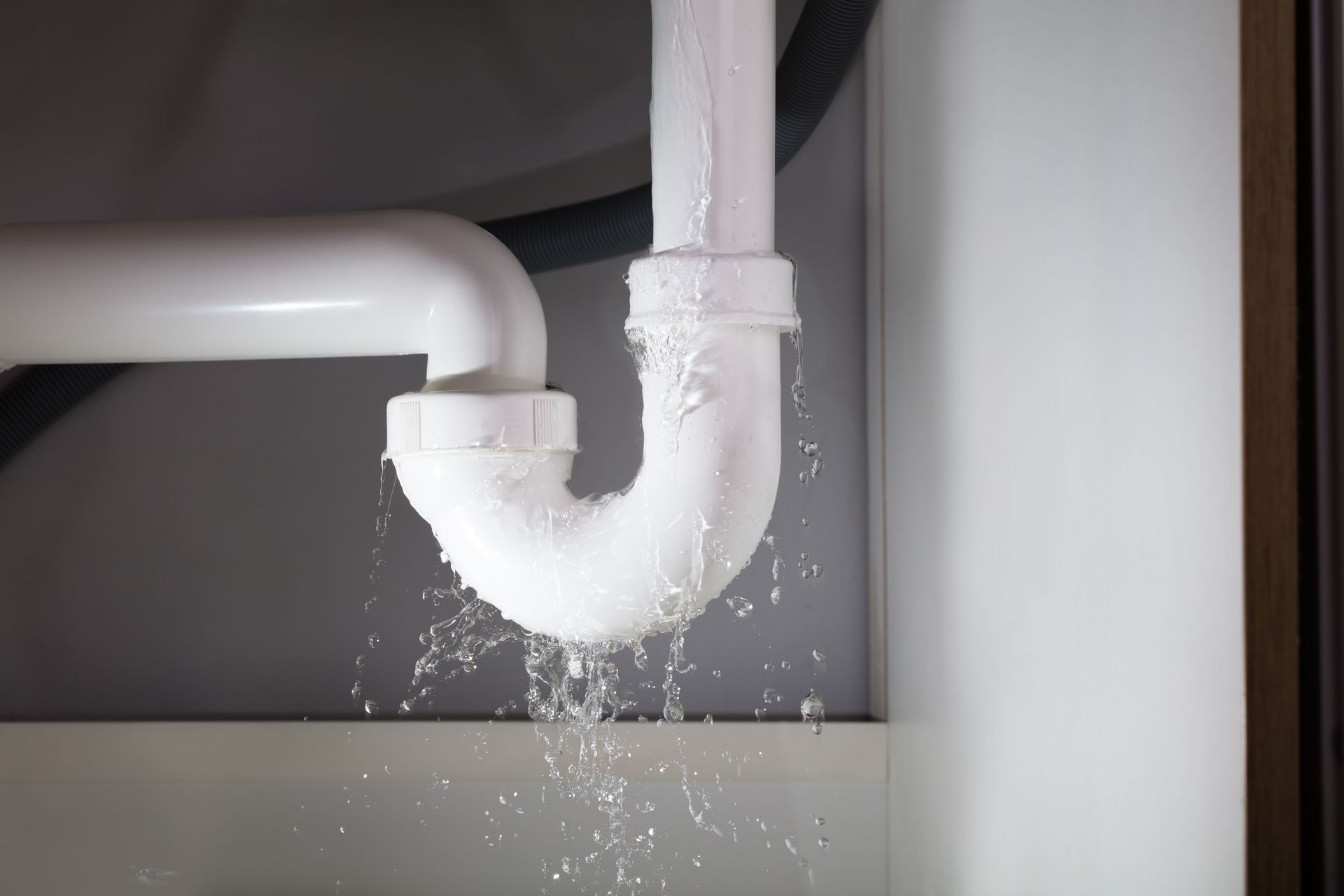
Recognizing the early warning signs of system failure allows you to fix small mechanical issues before they turn into major water damage. If you notice fluctuating water temperatures or hear strange popping and rumbling noises from the basement, sediment may have coated the bottom of the tank. Discolored or rusty water indicates that internal corrosion is actively taking place. Small puddles around the base of the system often point to leaking valves or a compromised structural lining. Ignoring these subtle red flags will inevitably lead to a sudden breakdown that requires extensive water heater repair.
Establish a Routine Maintenance Schedule
Maintaining a consistent inspection schedule keeps minor component wear from escalating into a household emergency. We recommend checking the temperature-pressure relief valve at least once a year to ensure it safely releases excess pressure. Visually checking the external connections and the surrounding floor area helps catch slow, hidden leaks before they rot your subflooring. Regular professional tune-ups allow a certified technician to verify that all electrical connections or gas lines are operating safely. This regular attention keeps the system running at peak performance year after year.
Flush the Storage Tank Annually
Flushing the tank is a critical maintenance practice that prevents minerals from baking onto the bottom of your unit. Over time, calcium and magnesium settle out of the water supply, forming a thick layer of scale over the heating elements. This buildup forces the system to work much harder to heat the water, which spikes your energy bills and overheats the tank bottom. Draining the tank completely clears out these heavy deposits and restores proper thermal transfer. If you hear a loud rumbling sound when the burner ignites, you need a professional water heater repair technician to clear out the heavy scale.
Inspect the Sacrificial Anode Rod
Checking the condition of the sacrificial anode rod every few years is one of the most effective ways to stop rust from destroying your tank. This metal rod attracts the corrosive elements present in hard water so that the tank itself does not rust through. Once the anode rod is completely depleted, those corrosive elements attack the steel walls of the water heater. Replacing a worn rod is an affordable maintenance task that can double the total life expectancy of your appliance. If your hot water has developed a distinct sulfur or rotten-egg odor, a degraded anode rod is likely the culprit.
Adjust the Thermostat Settings
Setting the correct temperature balance protects both your household from scalding and your appliance from thermal stress. Many manufacturers ship units with the internal thermostat set unnecessarily high, which accelerates mineral buildup and wears out the heating elements faster. We recommend keeping the temperature setting right at 120°F for optimal safety, comfort, and energy conservation. Lowering the maximum temperature reduces standby heat loss, saving money on monthly utility bills. Keeping the setting at this balanced level reduces the thermal expansion strain on the tank structure.
Upgrade Internal Components for Longevity
Upgrading key components can transform a standard utility unit into a highly durable, high-efficiency system. Installing a solid brass drain valve replaces the cheap plastic valves that frequently crack and leak during routine maintenance flushes. Upgrading to a powered anode rod uses small electronic pulses to stop corrosion without ever needing to be replaced. High-efficiency heating elements coated in specialized materials resist scale accumulation far better than standard factory parts. These targeted upgrades reduce the frequency of system breakdowns and minimize the long-term need for water heater repair.
Mitigate Hard Water Damage
Hard water poses a constant threat to the structural integrity and efficiency of residential plumbing appliances. Heavy concentrations of calcium and magnesium form a rock-hard scale that coats heating elements and chokes water flow through connections. Installing a whole-house water softener neutralizes these minerals before they ever reach your water heater. If a softener is not an option, specialized inline scale inhibitors can help keep minerals suspended so they do not bond to internal metal surfaces. Preventing scale formation dramatically drops the likelihood of needing emergency water heater repair.
Schedule Regular Water Testing
Testing your home water supply annually provides the data needed to customize your appliance protection strategy. A quick water test reveals the exact hardness levels, pH balance, and chemical makeup of your local water source. If the test shows highly acidic water, you know you need to replace your anode rods much more frequently to prevent tank failure. Knowing the mineral content helps you determine exactly how often you should flush the tank to prevent heavy scale accumulation. Tailoring your maintenance to your specific water profile keeps your system safe from hidden chemical damage.
Rely on Professional Maintenance Services
Enrusting your major plumbing appliances to licensed professionals ensures that minor technical issues are caught during routine inspections. A certified technician can test electrical currents, clean gas burners, and safely inspect complex pressure mechanisms. Professional diagnostic tools pinpoint hidden electrical faults or internal structural wear that are impossible to spot with the naked eye. Annual tune-ups keep your manufacturer warranty valid while providing the peace of mind that your home is safe from water damage. When complex issues arise, our team delivers precision water heater repair to keep your hot water flowing safely.
Coordinate Proper System Recycling
Disposing of an old, worn-out appliance responsibly prevents heavy metals and recyclable materials from filling up local landfills. Traditional tanks contain valuable copper plumbing lines and large amounts of steel that can be processed and reused in new manufacturing. Modern heat pump systems contain specialized refrigerants that must be safely evacuated by a licensed technician according to EPA regulations. When it is finally time to replace a completely worn unit, we handle the heavy lifting and ensure the old system is recycled correctly. Responsible disposal closes the loop on sustainable home maintenance.
We offer a complete suite of residential solutions, from air conditioning systems and heating systems to modern mini-split systems and heat pump systems. Whether you need a new construction HVAC installation, general plumbing services, a boiler installation, or a brand-new water heater installation, we have the certified expertise to get the job done right the first time. Do not wait for a major plumbing leak or a freezing shower to take control of your home comfort systems. Call Joe Pro Plumbing - Heating - Air today at calljoepro.com to schedule your annual water heater maintenance or professional water heater repair.

Share On: