
Is an Electric or Gas Water Heater Better for Your Family?
Choosing between an electric and gas water heater can affect your household's energy costs, hot water availability, and long-term maintenance needs. Both options can provide reliable hot water, but each has advantages that may make it a better fit for your home. Understanding how these systems compare can help you select an option that supports your family's daily routines, budget, and comfort.
Comparing How Electric and Gas Systems Work
The primary difference between electric and gas water heaters is the energy source used to heat the water. Electric models use heating elements inside the tank, while gas models use a burner powered by natural gas or propane. Both systems are available in traditional tank designs, which store heated water for household use.
Electric models are generally straightforward in their design. Heating elements warm the water inside the tank, and a thermostat regulates the temperature. These systems require an appropriate electrical connection and enough capacity to support the unit.
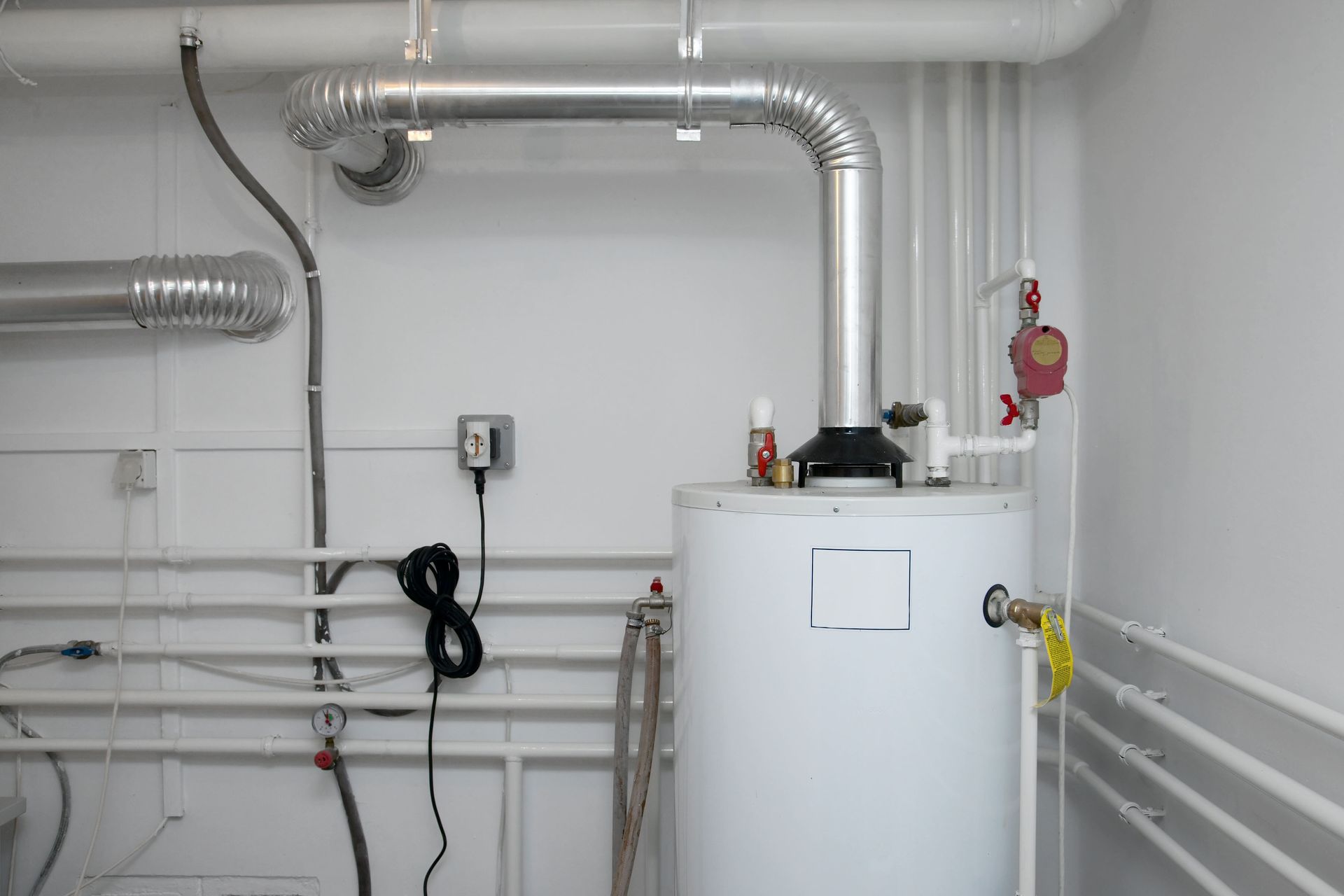
Gas models use a burner beneath the storage tank to heat the water. They typically require a gas line and a ventilation system to safely direct combustion byproducts outside the home. Because their operation depends on different fuel sources and equipment, installation requirements can vary.
Evaluating Energy Efficiency and Operating Costs
Energy efficiency is an important consideration when comparing these systems. The cost of operating either model depends on local electricity and natural gas rates, household hot water usage, equipment efficiency, and the unit's size. A lower purchase price does not always mean lower long-term expenses.
Electric systems do not burn fuel inside the home, and some models have relatively simple installation requirements. However, electricity rates can make daily operation more expensive in certain areas. Heat pump water heaters are another electric option that can use less electricity than conventional electric resistance models, although they have different installation requirements and upfront costs.
Gas systems can heat stored water quickly, which may be useful for households with frequent hot-water demand. Natural gas may also cost less than electricity in some regions. However, operating expenses depend on fuel prices, ventilation needs, and the system's overall efficiency.
When comparing options, homeowners should consider:
- The average cost of electricity and natural gas in their area.
- The equipment's energy efficiency rating.
- The household's typical daily hot water consumption.
- Expected maintenance and installation expenses.
Reviewing these factors can provide a more realistic picture of long-term ownership costs.
Considering Household Hot Water Demand
Your family's daily routine should play a major role in choosing a system. A household with several people may use hot water throughout the morning and evening for showers, laundry, dishwashing, and other activities. Smaller households may have less demanding schedules and different capacity requirements. When selecting a water heater, it is important to consider how often multiple family members need hot water simultaneously.
Gas systems often recover hot water more quickly than conventional electric storage models. This means a gas unit may be able to reheat its tank sooner after a period of heavy use. Electric systems can take longer to recover, depending on their size and heating element capacity.
However, the right tank size is just as important as the fuel source. A unit that is too small may struggle to keep up with simultaneous demands, while an oversized system may use more energy than necessary to maintain its stored supply. A plumbing professional can evaluate household size, usage patterns, and available space to recommend an appropriate model. Discussing peak usage times and daily routines can also help ensure the selected system provides enough hot water without unnecessary energy consumption.
Reviewing Installation Requirements and Space
Installation requirements can influence which option makes the most sense for your property. Electric models generally need a suitable electrical circuit and enough space for the equipment. Homes with limited access to natural gas may find an electric water heater easier to accommodate.
Gas models require additional considerations. The home must have an appropriate gas supply, and the unit needs proper ventilation to safely remove combustion gases. If these features are not already available, installation may involve additional work and expenses.
Before selecting a system, homeowners should consider the following:
- Whether the property has an existing gas line or suitable electrical service.
- Available space for the equipment and required clearances.
- Venting requirements for gas models.
- Local building codes and installation standards.
- Whether the existing connections can support the replacement unit.
A professional assessment can help identify potential installation challenges before a purchase is made. It can also prevent homeowners from selecting equipment that is incompatible with their property's existing setup. Having a qualified plumber evaluate the space and connections can help ensure the new unit is installed safely and operates as expected. This step can also clarify whether upgrades are needed before installation begins.
Comparing Maintenance and Expected Lifespan
Both systems need routine attention to operate reliably. Traditional tank models can accumulate sediment over time, especially in areas with hard water. Flushing the tank when recommended, checking connections, and inspecting important components can help maintain performance.
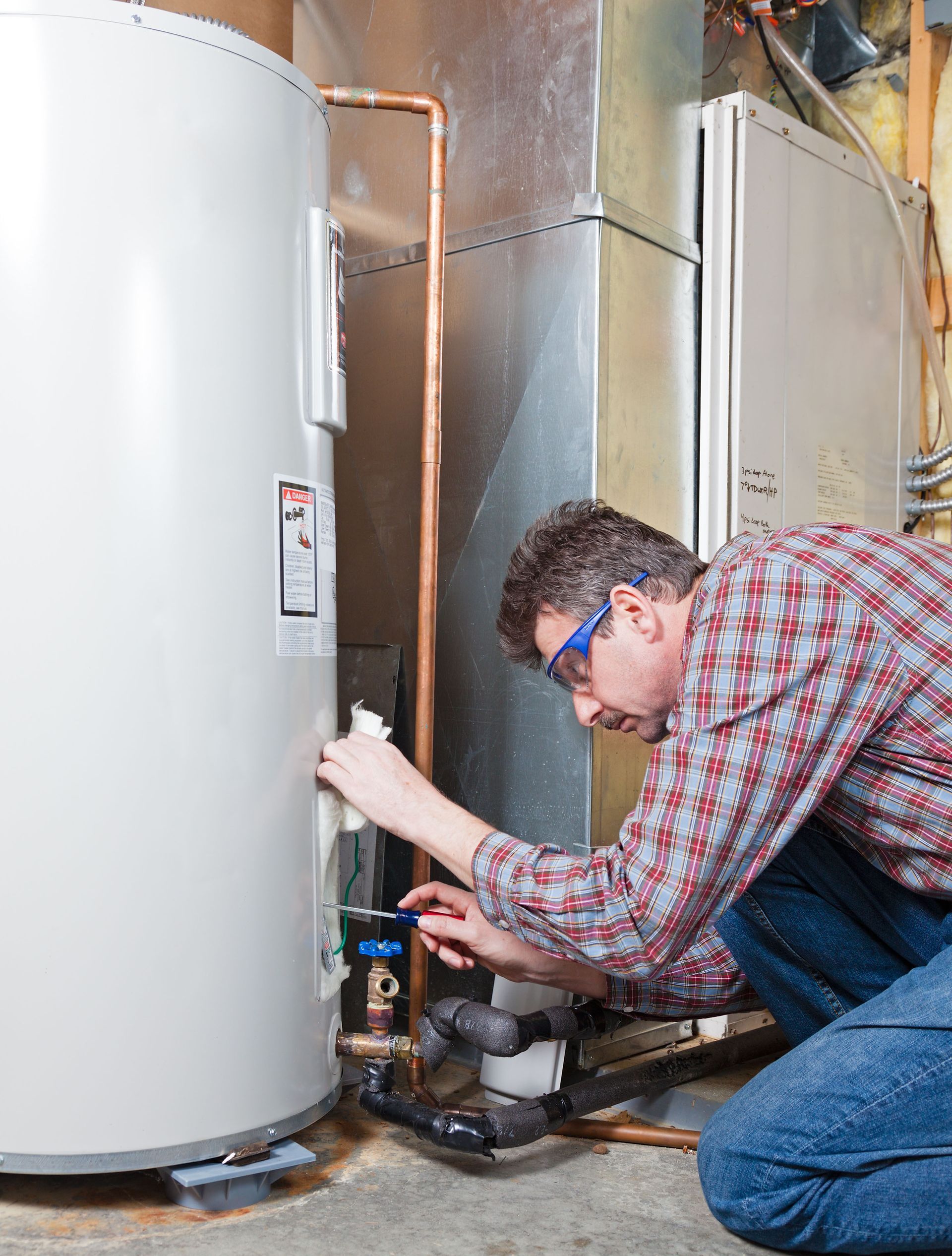
Electric models may require attention to their heating elements, thermostats, and electrical connections. Gas models have additional components, including burners and ventilation systems, that should be checked to ensure safe operation. Professional maintenance can help identify developing issues before they lead to unexpected interruptions.
According to This Old House, a conventional tank water heater generally has an expected service life of approximately 10 to 15 years. Actual longevity depends on water quality, installation, maintenance, and usage. As a unit gets older, homeowners may notice inconsistent temperatures, unusual noises, leaks, or rising energy costs. Keeping up with water heater maintenance can help extend equipment life, but recurring repairs or declining performance may indicate that replacement is the more practical choice.
Weighing Safety and Household Convenience
Safety is another important factor when deciding between electric and gas equipment. Electric models do not produce combustion gases, but they still require proper electrical connections, grounding, and protection from water exposure. Incorrect wiring or unsuitable electrical components can create serious hazards. When installing a new water heater, homeowners should have the electrical connections evaluated to ensure they meet the unit's requirements and applicable safety standards.
Gas models require careful attention to ventilation and combustion safety. Improperly vented equipment can allow dangerous gases, including carbon monoxide, to enter living spaces. Homeowners should ensure that the system is installed in accordance with applicable codes and that required safety devices are maintained.
Convenience also depends on the home's energy supply. An electric model will not operate during a power outage unless an appropriate backup power source is available. Gas equipment may also depend on electricity for electronic ignition or controls, so it is important to understand how a particular model operates before assuming it will work during an outage. Regular professional inspections can help identify potential safety concerns, confirm that essential components are functioning properly, and support reliable operation over time.
Choosing the Right System for Your Family
There is no single option that works best for every household. Electric models may be a practical choice for homes without access to natural gas or for properties where simpler installation is preferred. Gas models may appeal to families who already have gas service and want faster recovery between periods of heavy hot-water use.
The best decision comes from comparing the home's infrastructure, energy costs, available space, and daily hot water needs. Homeowners should also consider the purchase price, installation requirements, maintenance expectations, and available equipment warranties.
A professional evaluation can make the selection process easier by identifying compatible options and explaining the benefits of each system. Joe Pro Plumbing - Heating - Air provides water heater installation, maintenance, and repair services for both traditional and tankless systems, helping homeowners keep their hot water dependable. Whether your current unit needs attention or your family is considering an upgrade, contact Joe Pro Plumbing - Heating - Air to discuss your home's hot water needs and schedule professional service.
Share On: