
Top 4 Plumbing Myths Debunked
Homeowners often encounter conflicting advice when maintaining household pipes. Navigating this sea of information can be overwhelming, leading to well-intentioned mistakes causing extensive damage. Plumbing systems form the invisible circulatory system of a residence, quietly carrying water and waste. When this network functions smoothly, it is taken for granted. However, sudden failures bring daily routines to a grinding halt, sparking misguided do-it-yourself attempts.
Separating fact from fiction is essential for preserving your home infrastructure. Many widely believed tips actually accelerate deterioration and invite severe blockages. By understanding the truth behind these rumors, individuals make informed decisions. Relying on inaccurate advice turns simple fixes into expensive disasters. Reaching out to local plumbers at the earliest sign of trouble is prudent, but educating yourself on everyday prevention is equally vital.
Myth 1: Flushable Wipes Are Safe for Your Pipes
The convenience of moistened wipes has led to their ubiquitous presence in modern bathrooms. Manufacturers frequently label these products as safe for septic systems, creating a false sense of security. The reality hidden within the drainage lines tells a completely different story. Unlike toilet paper designed to disintegrate rapidly, these durable cloths retain their structural integrity, making them an impending hazard for municipal sewers and private tanks.
As these items travel underground, they encounter irregular surfaces, intrusive tree roots, and bends in the piping. Instead of breaking apart, the durable material snags on imperfections. Subsequent flushes deposit more debris, binding together into massive, impenetrable obstructions. These monstrous blockages severely restrict wastewater flow, forcing raw sewage to back up into sinks. The resulting cleanup is invariably unpleasant, unsanitary, and exceptionally costly.
Addressing such severe clogs requires specialized equipment and professional expertise. Snaking or hydro-jetting becomes necessary to break apart the fibrous masses clinging to inner walls. Relying on chemical solutions proves completely ineffective against cloth-based obstructions and merely adds toxic compounds to the stagnant water. Calling experienced local plumbers remains a necessary solution when synthetic wipes choke the main line, utilizing advanced camera technology to pinpoint blockages.
The simplest preventive measure is strictly modifying bathroom habits. Keeping a small waste receptacle beside the toilet provides an immediate alternative for discarding sanitary products, makeup removers, and cleaning cloths. Only human waste and standard toilet tissue should enter the drainage system. Adhering to this fundamental rule ensures clear pathways and prevents catastrophic backups. Changing this habit significantly reduces emergency maintenance calls and preserves neighborhood sewer infrastructure.
Myth 2: Lemon Peels Clean the Garbage Disposal
A fresh citrus scent wafting from the kitchen sink gives the illusion of a pristine appliance. Countless household guides recommend tossing citrus rinds into the disposal to eliminate foul odors and scour the grinding components. While essential oils provide a pleasant aroma, thick fibrous rinds inflict substantial wear and tear on the internal mechanism. This popular tip addresses a cosmetic symptom while actively harming the underlying machinery.
Garbage disposals operate by pulverizing food scraps into tiny particles that wash away easily. Citrus peels possess a leathery texture resisting the grinding action. Instead of turning into a fine paste, the rinds chunk into sticky, fibrous lumps. These remnants coat the impellers and cling to the drainage pipe, trapping grease and debris. Over time, this accumulation rots, creating an odor far worse than the original smell.
When the mechanism finally jams due to fibrous buildup, the motor struggles to turn, eventually leading to complete mechanical failure. Resetting the appliance rarely solves jams caused by thick organic material. Disassembling the unit to remove wedged rinds carries risks of injury or accidental water damage. In these situations, scheduling a visit from local plumbers ensures the disposal is safely cleared, inspected for motor damage, and properly reassembled.
Achieving a fresh-smelling disposal requires a different approach. Dropping ice cubes into the grinding chamber effectively knocks loose trapped debris and sharpens the impellers. Running cold water continuously during operation solidifies lingering fats, allowing blades to chop them up and flush them away. For a safe deodorizer, pour baking soda followed by white vinegar to create a foaming action that naturally cleans the chamber without leaving harmful residue.
Myth 3: A Leaky Faucet Is a Minor Inconvenience
The rhythmic dripping of a bathroom sink is frequently dismissed as a mere nuisance rather than a legitimate mechanical failure. Homeowners often ignore the constant dripping, placing a sponge under the spout to silence the sound. This passive approach severely underestimates the cumulative impact of continuous water loss. What appears to be a trivial defect is actually a clear signal that internal seals or cartridges have deteriorated.
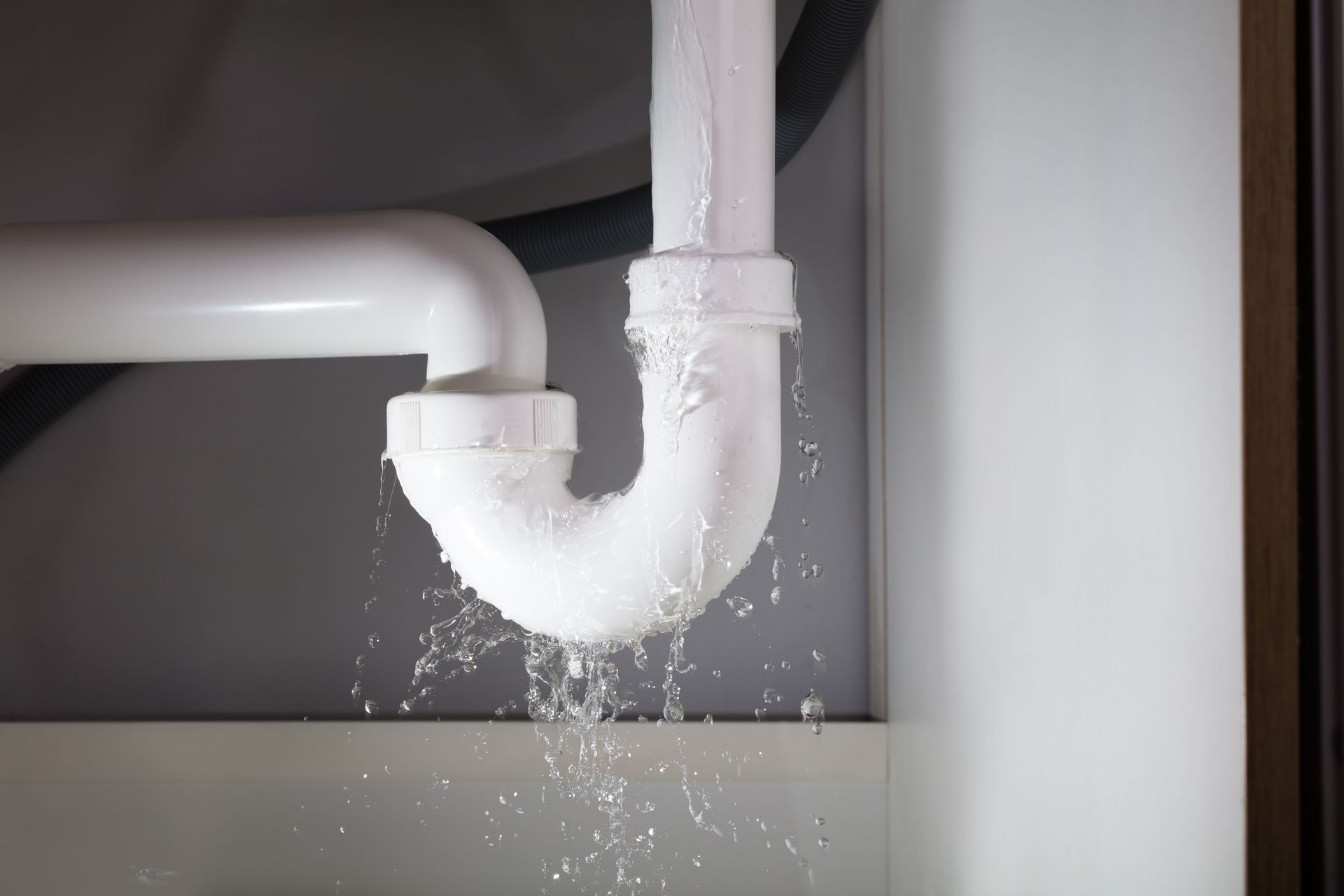
According to the EPA, one in 10 homes in the United States has plumbing system leaks. This staggering reality highlights how commonplace these seemingly insignificant drips truly are. Beyond the annoying sound, the continuous escape of water inflates monthly utility bills substantially. Continuous dripping contributes to an unnecessary depletion of vital natural resources, transforming minor mechanical flaws into ongoing financial and environmental burdens.
Ignoring the drip causes collateral damage to the fixture itself. Constant moisture eats away at metallic finishes, leaving permanent mineral stains and rust in the basin. The continuous dampness fosters the growth of mold and mildew around the drain, creating unsanitary conditions. Eventually, the compromised internal valve fails entirely, potentially causing a sudden burst of water that floods the countertop. Addressing the issue early prevents structural degradation.
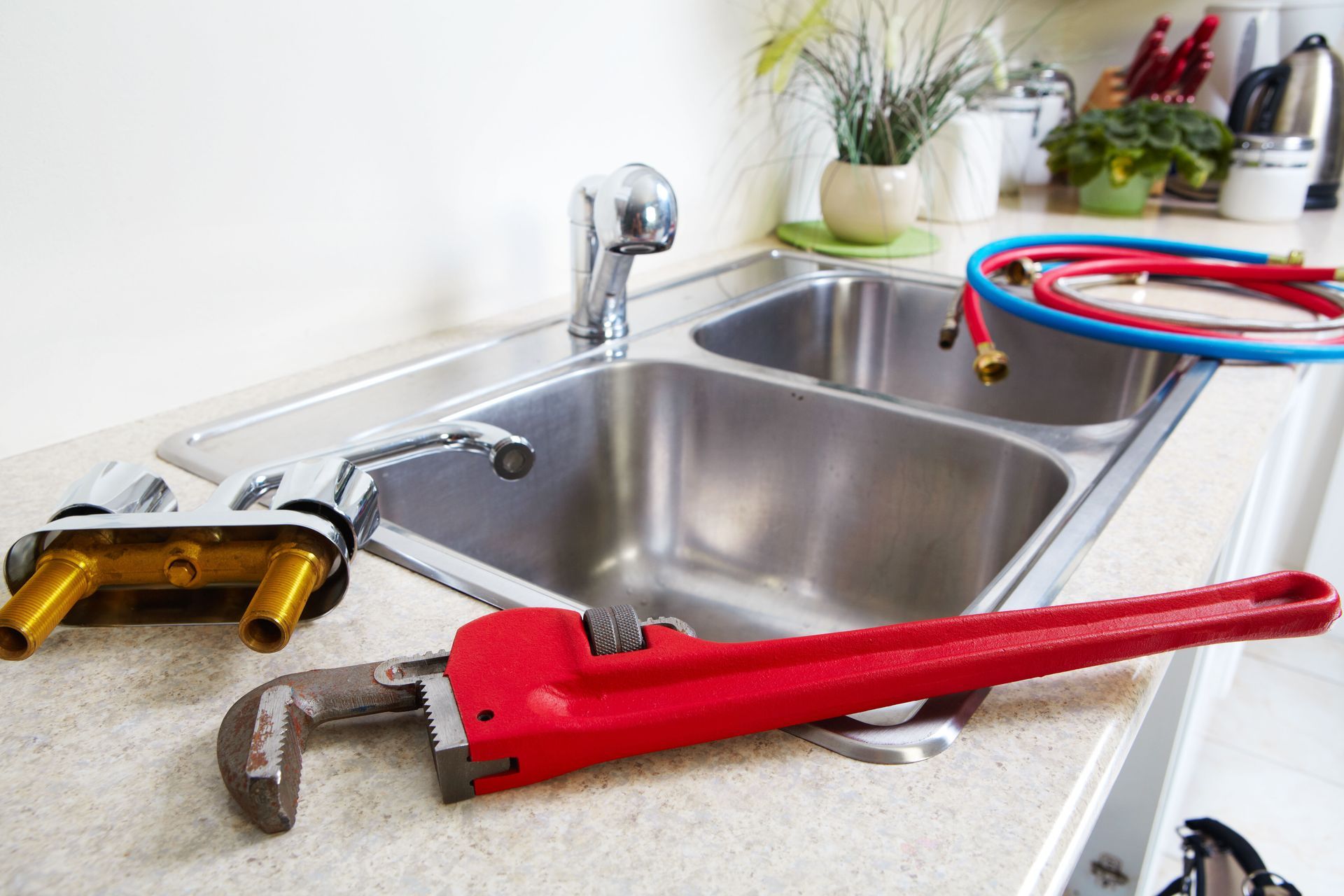
Fixing a malfunctioning faucet might seem like a straightforward weekend project, but modern fixtures feature intricate internal assemblies. Incorrectly installing a new cartridge can exacerbate the leak or permanently strip the threading on expensive hardware. Securing assistance from knowledgeable local plumbers guarantees correct replacement parts are sourced and installed perfectly. Professional attention ensures the fixture operates smoothly, conserves water, and protects the vanity from insidious moisture damage.
Myth 4: All Drain Cleaners Are Good for Clogs
Commercial chemical drain openers boast bold promises on brightly colored packaging, claiming to dissolve any obstruction effortlessly. When the bathtub refuses to empty, pouring thick, caustic gel down the plughole feels like an easy victory. These heavily marketed products rely on aggressive chemical reactions to generate heat and eat through organic matter. While they occasionally provide temporary relief for minor snags, they are far from a universal remedy.
The extreme heat generated by these chemical concoctions poses a severe threat to the integrity of household pipes. Older metal pipes are highly susceptible to corrosion from caustic acids, which thin the walls and invite disastrous pinhole leaks. Even modern plastic piping is not immune; the intense thermal reaction can warp or melt the material. Frequent reliance on harsh solutions inevitably accelerates the deterioration of wastewater systems.
Furthermore, chemical openers frequently fail to reach the core of a severe blockage. They tend to burn a narrow channel through the sludge, allowing water to drain momentarily before the gunk collapses back in on itself. If the liquid fails to clear the line entirely, highly toxic chemicals pool behind the clog, creating a hazardous environment. When this occurs, calling local plumbers becomes an urgent safety necessity.
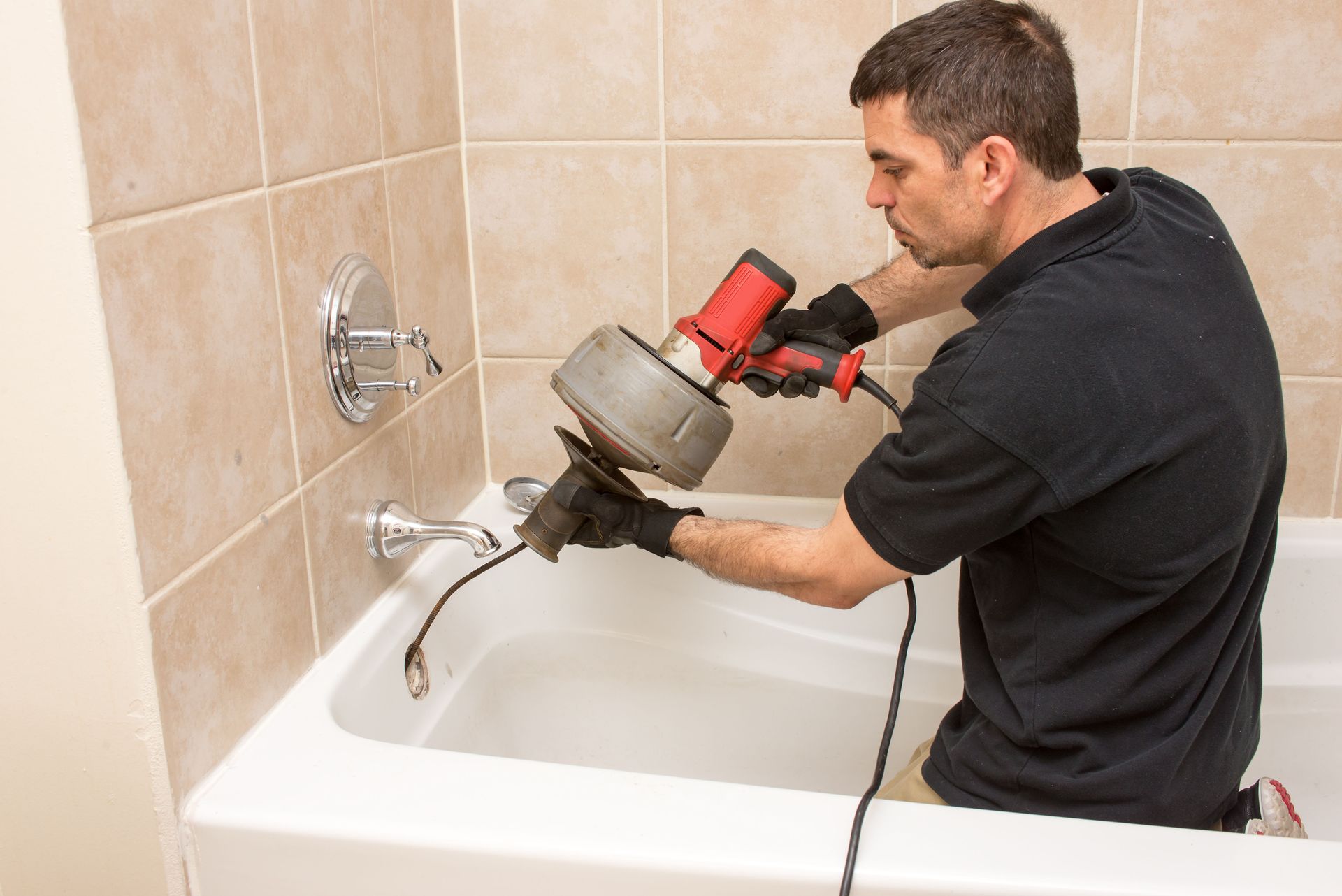
Professionals must navigate dangerous, chemically treated water before they can attempt to clear the original obstruction. The safest alternative is utilizing a standard plunger or manual auger to physically dislodge the mass. Regular maintenance using enzyme-based treatments provides a gentle, biological method for keeping pipes clear of soap scum without inducing destructive chemical reactions. Physical removal and biological maintenance offer enduring solutions without endangering your health.
Maintaining a functional household requires separating enduring wisdom from pervasive myths. The strategies we employ to care for our hidden infrastructure directly dictate its longevity and reliability. By abandoning harmful practices like relying on chemical cleaners, flushing durable cloths, and grinding fibrous citrus peels, we actively preserve our pipes. Acknowledging the actual impact of dripping faucets ensures we do not waste valuable resources or dismiss impending mechanical failures.
Every property owner benefits from establishing a reliable partnership with skilled professionals who understand the intricacies of wastewater management. Knowing when to step back and invite seasoned local plumbers into your residence ensures complex problems are resolved safely and correctly. Cultivating a realistic understanding of home maintenance empowers individuals to create a safe, efficient living environment. When you need reliable solutions to keep your pipes flowing smoothly, reach out to the experts at Joe Pro Plumbing today. Our experienced team of local plumbers is ready to tackle your toughest home infrastructure challenges with precision and care.

Share On: