
The Importance of Winterizing Your Plumbing
When the temperature drops, most homeowners think about turning up the heat and pulling out their warmest blankets. Far fewer stop to consider the pipes running through their walls, crawl spaces, and basements. Yet winter is the season when plumbing systems face their greatest stress, and a single overlooked pipe can turn into a costly, messy emergency overnight.
Winterizing your plumbing is one of the simplest ways to protect your home, your belongings, and your budget during the coldest months of the year. With help from licensed plumbers, you can identify vulnerable areas before freezing weather arrives and take the right steps to keep water flowing safely all season long. Below, you'll learn why winterizing matters, which parts of your plumbing system need the most attention, and how a little preparation now can save you from major headaches later.
Understanding How Freezing Temperatures Damage Pipes
Water is unusual because it expands as it freezes. When the water inside a pipe turns to ice, it pushes outward against the pipe walls and builds pressure between the ice blockage and the closed faucet downstream. Eventually, that pressure has to go somewhere, and it often finds the weakest point in the line. The result can be a split seam, a cracked fitting, or a full rupture.
What surprises many homeowners is that the damage often isn't obvious right away. A frozen pipe may simply stop delivering water, and the real trouble starts once the ice thaws and water begins rushing through the newly formed crack. Pipes in unheated or poorly insulated areas are the most vulnerable, including those in attics, garages, crawl spaces, and along exterior walls. Outdoor spigots and irrigation lines face similar risks. Licensed plumbers understand how cold air travels through a home and can pinpoint the spots where freezing is most likely to occur, even in areas that seem protected.
Recognizing the Hidden Costs of Burst Pipes
A burst pipe is more than a simple repair job. According to State Farm, even a tiny crack in a pipe can let out more than 250 gallons of water in a single day. That much water can soak through drywall, warp hardwood floors, ruin carpeting, and damage furniture, electronics, and stored keepsakes in a matter of hours.
The problems don't end once the leak is stopped. Lingering moisture creates the perfect environment for mold and mildew, which can spread behind walls and under flooring where it's difficult to detect. Water can also weaken structural materials and create hazards near electrical wiring. Cleanup, drying, and restoration often cost far more than the pipe repair itself, and many families are displaced from parts of their homes while the work is completed. Calling licensed plumbers at the first sign of trouble helps limit the spread of water and ensures the underlying problem is properly corrected rather than patched. Preventing a freeze in the first place, however, is always the more affordable option.
Protecting Exposed Pipes Before the First Freeze
The most effective winterizing happens before the first hard freeze of the season. Insulating exposed pipes is a key step, especially in crawl spaces, attics, and unheated garages. Foam pipe sleeves and heat tape can help, but they must be the right size and installed correctly to do their job. Gaps and drafts near pipes should also be sealed so cold air can't reach them.
Outdoor plumbing needs special attention. Garden hoses should be disconnected and drained, and exterior spigots should be shut off from the inside and emptied. Many homes have older hose bibs that aren't frost-resistant, which makes them a common source of winter leaks. Upgrading these fixtures can provide lasting peace of mind.
Inside the home, simple habits make a difference. In our experience, keeping the thermostat at 55 degrees or higher, even when you're away, helps protect pipes along exterior walls. Opening cabinet doors under sinks allows warm air to circulate around the plumbing. Licensed plumbers can evaluate your home and recommend which of these steps will provide the greatest protection for your specific layout.
Preparing Water Heaters and Boilers for Winter
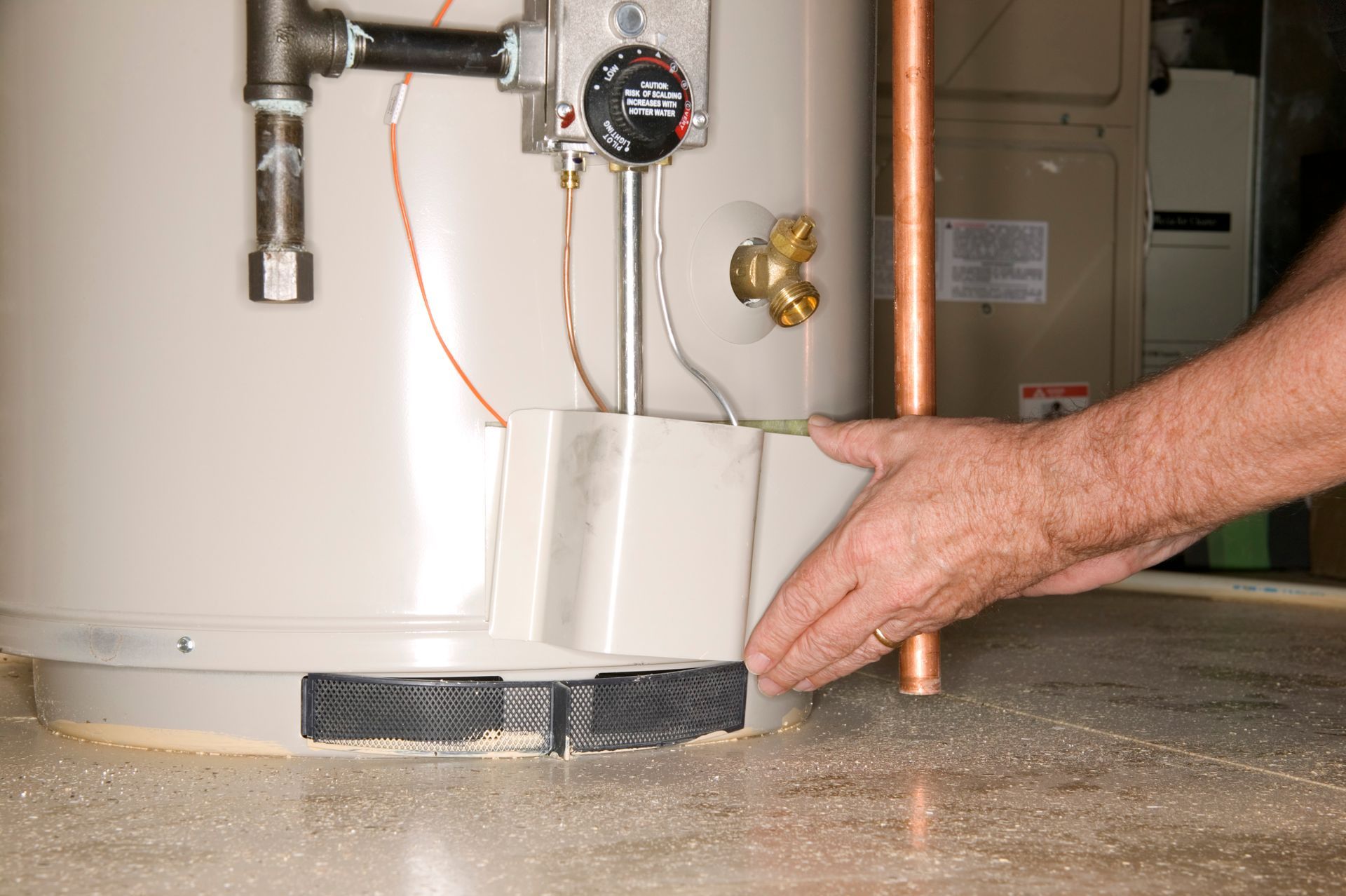
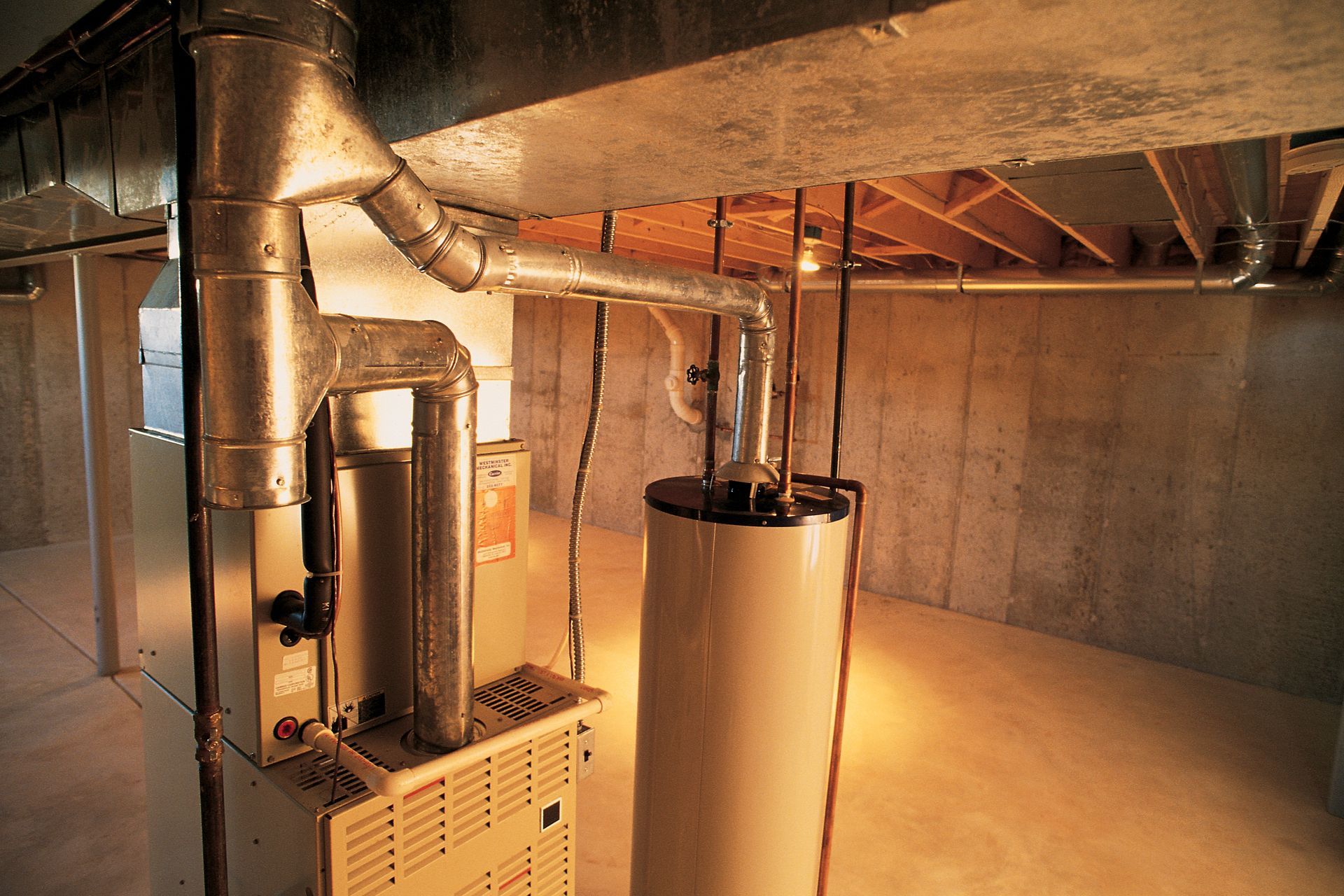
Your water heater works harder in winter than at any other time of year. Colder incoming water means the unit has to run longer to reach the right temperature, and any existing weaknesses are more likely to surface. Sediment buildup in the tank can reduce efficiency and cause strange noises, while worn components may fail just when you need hot water most. Having licensed plumbers flush the tank, test the pressure relief valve, and inspect connections before winter can extend the life of your water heater and help prevent an unexpected cold shower.
Boiler systems deserve the same care. Because boilers circulate water to heat your home, they are closely tied to your plumbing and can be affected by leaks, low pressure, or frozen lines. A pre-season inspection allows a professional to check pressure levels, look for corrosion, bleed radiators, and confirm that the system is ready to deliver consistent warmth. Licensed plumbers who also service heating systems can spot issues that connect the two, giving you a more complete picture of your home's readiness for winter.
Safeguarding Seasonal and Vacant Properties
Vacation homes, rental properties, and houses that sit empty for part of the winter face an even higher risk. Without anyone on site to notice a drop in water pressure or the sound of dripping water, a small leak can run for days or weeks before it's discovered. By then, the damage may be extensive.
Fully winterizing a vacant property usually involves shutting off the main water supply, draining the lines, and emptying fixtures, appliances, and the water heater so no standing water remains to freeze. Some systems also require nontoxic antifreeze in drain traps and toilets. These steps must be completed in the correct order to avoid leaving water trapped in hidden sections of pipe. Small businesses that close for the off-season should follow a similar process.
Because mistakes during this process can lead to the very damage you're trying to avoid, it's wise to let licensed plumbers handle the job. They can also restore service properly in the spring, checking for leaks and confirming everything is working before the property is occupied again.
Knowing When to Call a Professional
Some winter prep tasks are easy enough for homeowners to handle, but others call for professional skills and equipment. If you notice reduced water flow, frost on exposed pipes, or a faucet that only trickles on a cold morning, your pipes may already be partially frozen. Applying open flames or high heat to thaw them can damage the pipe or create a fire hazard, so it's safer to get professional help right away.
Other warning signs include unexplained increases in your water bill, damp spots on walls or ceilings, musty odors, and a water heater or boiler that struggles to keep up. Each of these can point to a hidden leak or a system under strain. Working with licensed plumbers gives you the confidence that the job meets local codes and is done correctly the first time. A licensed professional also has the training to recognize problems that an untrained eye might miss, which can prevent a minor issue from becoming a major repair in the middle of winter.
Winterizing your plumbing is a small investment that pays off in comfort, safety, and savings. By insulating vulnerable pipes, preparing your water heater and boiler, and protecting vacant properties, you can greatly reduce the chances of a frozen or burst pipe this season. When you're ready to get your home prepared for the cold, our licensed plumbers at Joe Pro Plumbing - Heating - Air are here to help. We're a family-owned business with decades of experience, and we offer free estimates and warranties on our work. Contact us today to schedule your winter plumbing service!
Share On: