
Boiler Leaking Water? Causes, Risks, and When to Call for Repair
When a severe boiler leak occurs, escaping water from your hydronic heating assembly can quickly lead to widespread property damage, electrical short circuits, and sudden heating system failure during cold weather. Navigating the immediate aftermath demands a clear, systematic approach to protect your building, isolate mechanical hazards, and execute durable repairs. Here is a comprehensive guide on identifying boiler leaks, understanding the underlying mechanical risks, and knowing when to call for professional intervention.
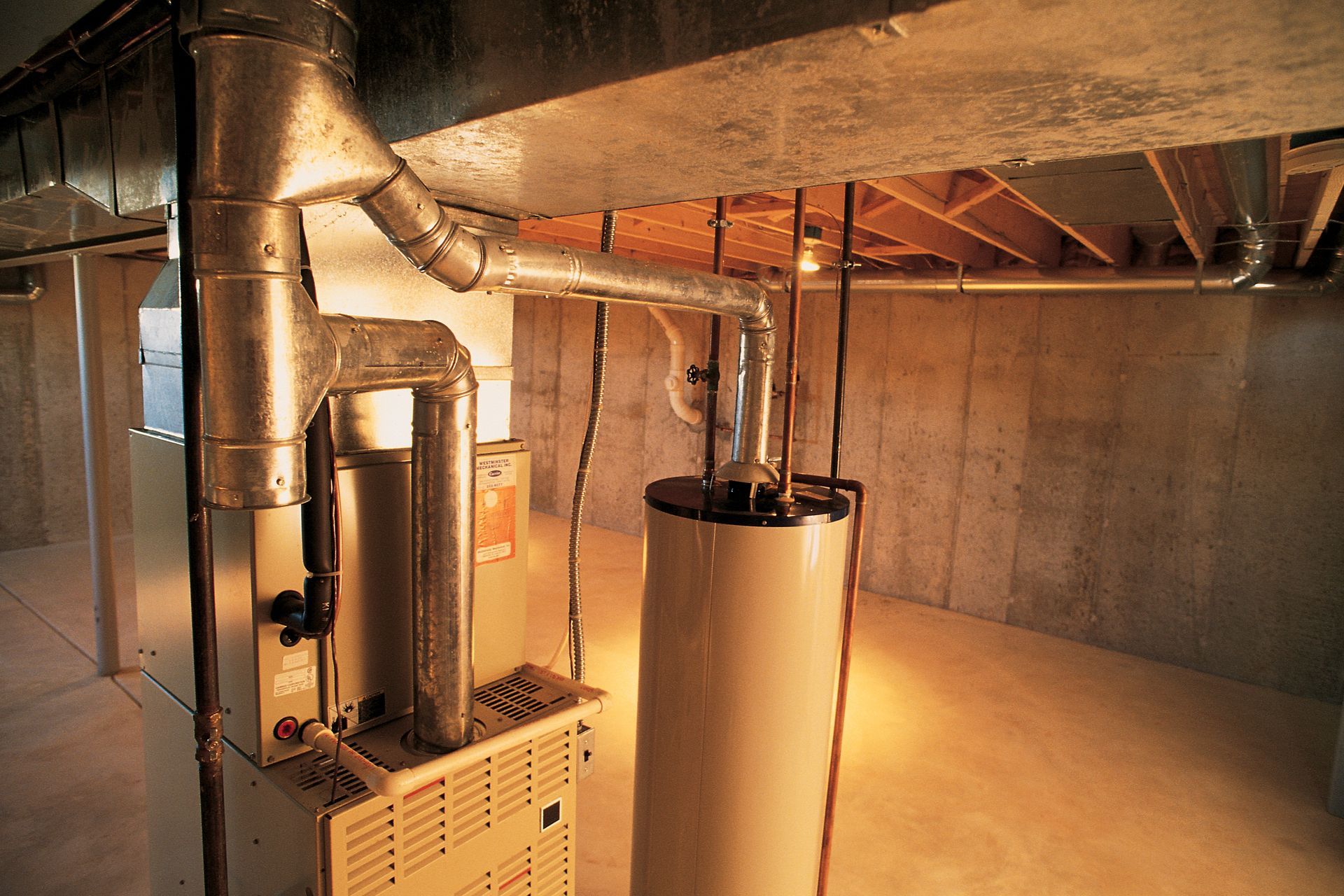
Hydronic heating assemblies are intricate mechanical systems engineered to provide consistent thermal comfort throughout residential and commercial properties. Essential components include the natural gas or electric burner, cast iron or stainless steel heat exchanger, circulator pumps, expansion tank, zone valves, and pressure safety relief valves. Each component plays a vital role in maintaining continuous heat output and safe hydronic circulation across your building. The proper functioning of these parts ensures that your system operates reliably without unexpected pressure spikes.
Boilers function by heating water and circulating it through a closed network of copper or PEX piping to radiators, baseboard heaters, or radiant underfloor loops. According to House Grail, a professionally installed boiler can last 10 to 15 years, provided it receives regular mechanical maintenance, seasonal inspection, and annual system flushing. Understanding how system pressure and thermal expansion interact within this closed loop helps property managers identify where leaks originate before structural water damage occurs. When you notice water accumulating around the base of the unit, scheduling timely professional boiler repair is essential to prevent complete mechanical failure.
Identifying Common Causes of Boiler Leaks
Corrosion remains one of the primary drivers of hydronic leaks, occurring when dissolved oxygen in the water supply reacts with metallic pipe walls over time. This chemical reaction gradually weakens cast iron sections, copper fittings, and steel expansion tanks, creating pinhole leaks along lower soldered joints. Without chemical corrosion inhibitors, untreated system water constantly degrades internal metal surfaces, leading to unexpected pressure drops and eventual component failure that requires comprehensive boiler repair.
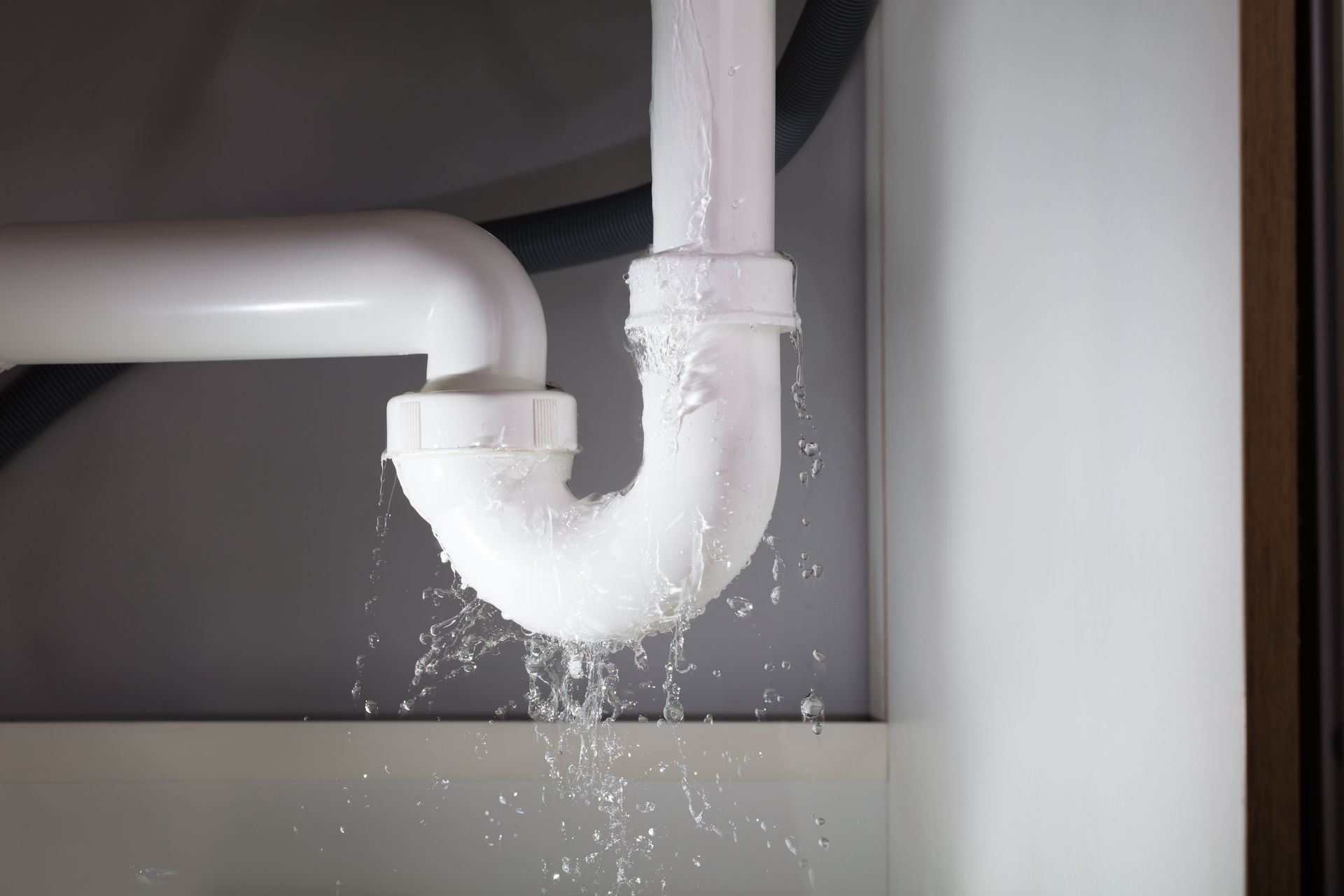
Excessive system pressure also triggers active water discharge, particularly when the expansion tank loses its air charge or the pressure relief valve fails. When internal pressure surpasses safe operating thresholds, safety relief valves automatically open to vent excess water and protect the cast iron heat exchanger from cracking. Additionally, degraded rubber gaskets, dried-out pump seals, and loose threaded connections frequently permit water seepage during normal thermal expansion cycles. Addressing these mechanical vulnerabilities through prompt boiler repair restores full hydraulic stability.
Evaluating the Hazards of a Leaking Boiler
Ignoring an active hydronic leak introduces serious property risks that extend far beyond a cold living space. Escaping water can rapidly saturate surrounding drywall, subflooring, and structural floor joists, creating optimal conditions for toxic mold growth and expensive structural timber rot. If leaking water contacts delicate electrical control boards, zone valves, or burner transformers, short circuits can permanently destroy expensive mechanical controls or create acute electrical shock hazards.
Furthermore, an unaddressed leak severely degrades overall system efficiency, forcing your burner to cycle continuously to maintain desired ambient indoor temperatures. As system pressure drops, automatic water feeder valves continuously introduce fresh, oxygenated tap water into the system, accelerating internal rust formation and increasing monthly gas or electric utility bills. Prompt mechanical boiler repair is necessary to prevent minor joint seepage from escalating into total heat exchanger failure and severe property damage.
Implementing Immediate Steps During an Active Leak
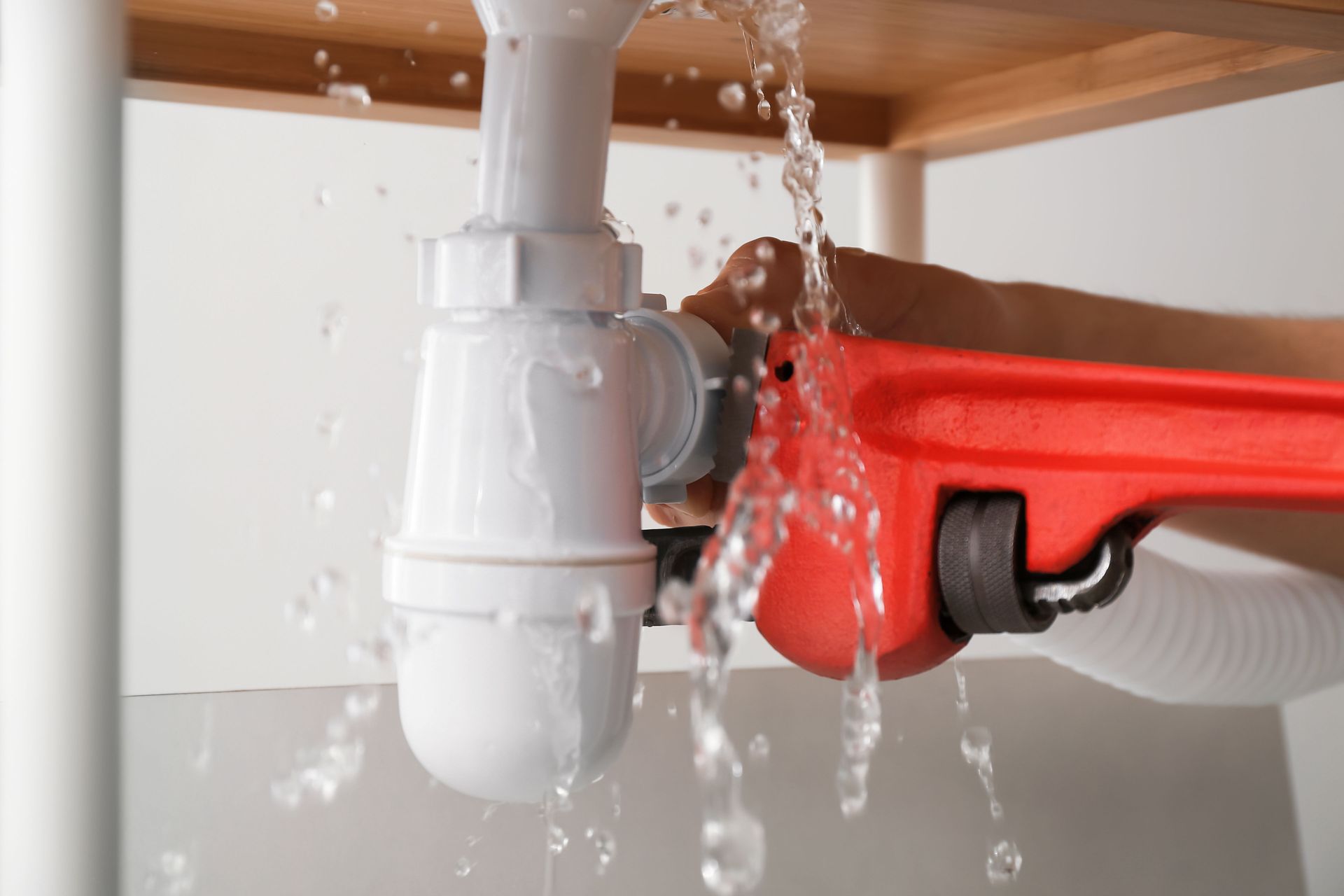
When you first discover water pooling around your heating system, taking immediate emergency mitigation steps minimizes property damage and protects electrical controls. Immediately isolate the incoming cold water supply line by turning the main shut-off valve clockwise to prevent additional water from entering the damaged vessel. Next, disconnect electrical power to the unit at the main breaker panel or emergency switch to avoid electrical shock and prevent the burner from firing dry without adequate water levels.
Once power and water supplies are safely isolated, absorb pooling surface water using heavy towels or a wet-dry vacuum to protect nearby subflooring. Carefully inspect the unit from a safe distance to determine whether water is discharging from a loose pipe fitting, a circulator pump flange, or the pressure relief valve. Documenting the leak location with clear photographs helps technicians prepare the exact replacement parts required for rapid boiler repair when they arrive on site.
Applying Preventative Measures to Avoid Future Leaks
Preventing future mechanical failures requires a disciplined approach to preventative maintenance and water chemistry management. Scheduling annual professional check-ups ensures that heat exchangers are thoroughly cleaned, safety relief valves are tested, and circulator pumps are properly lubricated. Technicians also test system pressure and recharge the internal air bladder of the expansion tank to ensure smooth pressure regulation during peak winter heating months.
Incorporate chemical water treatment and corrosion inhibitors into your annual maintenance routine to protect internal metallic surfaces against scale buildup and oxygen pitting. Replacing aged, brittle rubber gaskets and updating worn zone valves before they fail prevents unexpected mid-winter breakdowns. Maintaining stable water pressure within manufacturer specifications significantly reduces mechanical stress on internal welds and fittings, maximizing system longevity and reducing the need for emergency boiler repair.
Navigating Thermal Stress and Heat Exchanger Fatigue
Continuous heating and cooling cycles subject modern boilers to relentless thermal stress, causing cast iron sections and copper heat exchangers to expand and contract repeatedly. Over years of operation, this constant mechanical movement causes severe metal fatigue along internal stress points, eventually creating microscopic hairline fractures within the heat exchanger core itself. When thermal fatigue cracks develop inside the combustion chamber, escaping water burns off as steam during operation, masking the leak until the crack expands significantly and causes sudden, major system depressurization.
Mitigating thermal stress damage requires maintaining balanced water flow rates and preventing cold return water from shocking a hot heat exchanger. Licensed heating technicians adjust bypass valves, install primary-secondary piping loops, and calibrate electronic outdoor reset controls to modulate boiler operating temperatures smoothly. By preventing extreme temperature spikes and thermal shock, expert boiler repair protects internal heat exchanger welds, prevents stress-induced cracking, and extends the operational lifespan of your entire hydronic system.
Knowing When to Call for Professional Boiler Repair
While minor maintenance tasks like bleeding radiator air vents can be handled independently, complex hydronic issues demand the technical expertise of a licensed HVAC professional. Sudden pressure drops, loud banging noises known as kettling, and active water pooling around the heat exchanger require immediate professional boiler repair. Attempting to disassemble pressure vessels or gas burner assemblies without specialized mechanical training creates severe safety hazards, including gas leaks and electrical failures.
Professional technicians utilize specialized diagnostic tools to evaluate heat exchanger integrity, test gas manifold pressure, and replace faulty circulator pumps safely. Engaging an experienced contractor ensures that all diagnostic work and component replacements comply with local plumbing codes and manufacturer warranty requirements. Investing in timely, professional boiler repair restores heating efficiency, protects your real estate investment, and delivers complete peace of mind through the coldest months of the year.
Addressing a leaking heating system requires swift action, thorough diagnosis, and qualified mechanical expertise. By taking immediate steps to isolate water lines, understanding pressure dynamics, and scheduling routine preventative maintenance, you safeguard your mechanical assets and ensure reliable indoor comfort. When you need urgent, expert assistance to diagnose leaks, restore pressure, and execute long-lasting heating restorations, rely on the certified technicians at Joe Pro Plumbing - Heating - Air.
Share On: