
A New Homeowner's Guide to Water Heater Upkeep
Buying a home comes with plenty of responsibilities, and maintaining your hot water system is one task that should not be overlooked. This essential appliance supplies hot water for showers, laundry, and other everyday activities. Understanding how your system works and what it needs can help you avoid unexpected disruptions and manage household expenses. With consistent water heater upkeep, you can support reliable performance, recognize potential problems early, and make informed decisions about repairs or replacement.
Understand Your System and Its Maintenance Needs
Learn How Your System Works
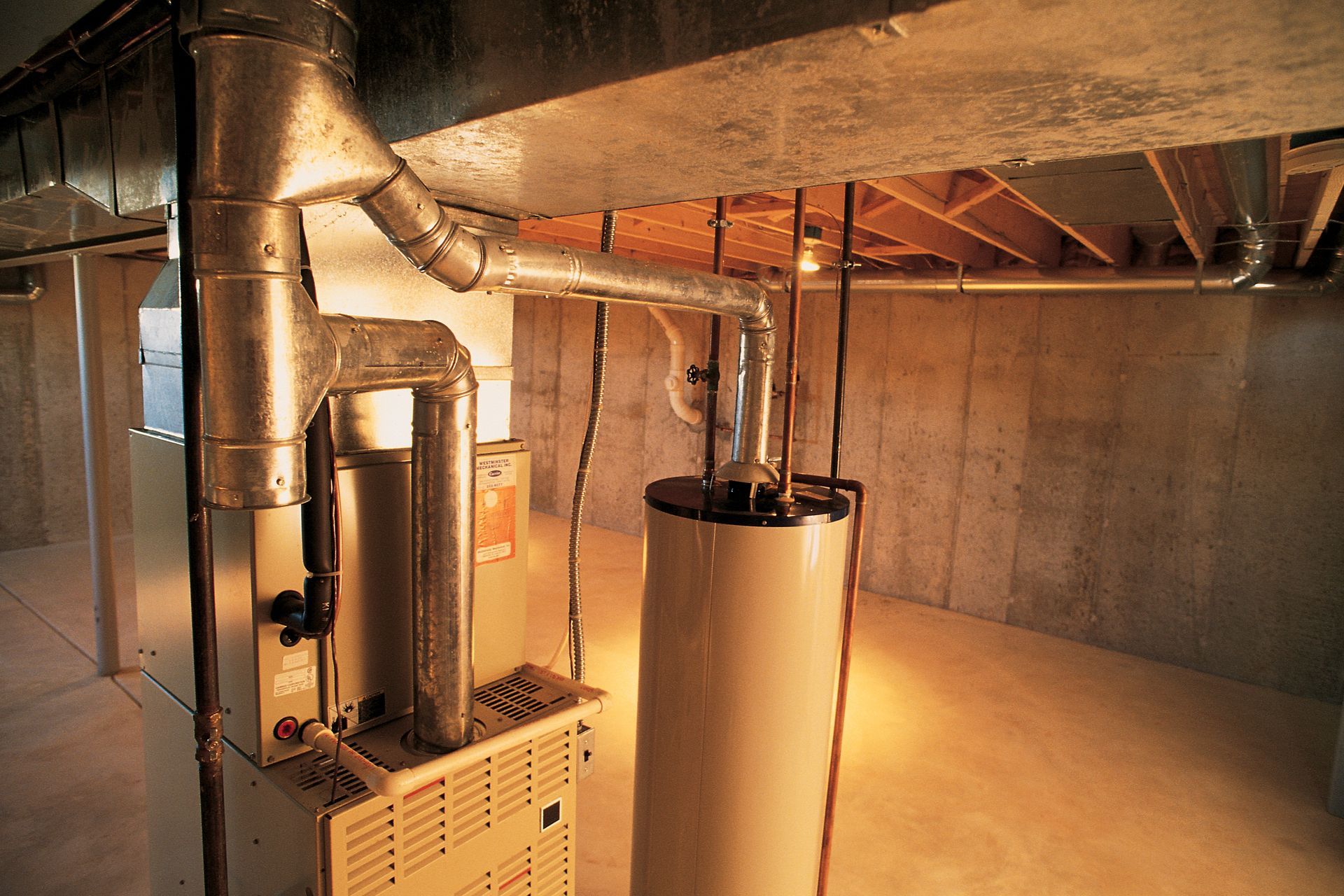
Before establishing a maintenance routine, take time to understand the type of system in your home. Traditional tank systems store a supply of hot water in an insulated tank, keeping it heated until needed. Tankless models work differently by heating water as it passes through the unit. Each design has specific maintenance requirements, so identifying your system is an important first step.
If you have a traditional tank water heater, locate the manufacturer's label to find its model number, capacity, and other specifications. Keep the owner's manual somewhere accessible so you can reference the recommended service intervals and operating instructions. For tankless systems, review the manufacturer's guidance regarding cleaning, descaling, and other maintenance procedures. These details provide a foundation for an effective upkeep plan.
Determine the Age and Expected Lifespan of Your Unit
Knowing your water heater's age helps you plan for future maintenance and replacement expenses. If you purchased an existing home, ask the previous owner whether installation or replacement records are available. You may also find the installation date on service invoices or determine an approximate age from the manufacturer's serial number. A plumbing professional can help interpret this information if the date is unclear.
According to This Old House, conventional tank water heaters generally last between 10 and 15 years. However, actual service life depends on factors such as maintenance history, water quality, household demand, and the condition of individual components. An older unit does not necessarily require immediate replacement, but it deserves closer attention. Regular water heater upkeep can help you identify deterioration and prepare for replacement before a complete breakdown interrupts your household routine.
Check the Manufacturer's Maintenance Recommendations
Every hot water system has specific operating requirements, and following the manufacturer's instructions can help prevent avoidable problems. Review recommendations for temperature settings, inspections, cleaning, and professional servicing. Avoid assuming that the maintenance schedule for one model will apply to another, particularly when comparing traditional tank systems with tankless equipment.
It is also helpful to keep a simple record of completed maintenance, repairs, and service appointments. Documenting these activities gives you a clearer picture of the unit's condition and helps identify recurring issues. If you are uncertain about a recommended procedure, consult a qualified plumber rather than attempting an unfamiliar repair. Understanding your system's requirements makes upkeep more organized and helps you recognize when professional attention is appropriate.
Establish a Practical Maintenance Routine
Inspect the Area Around Your System
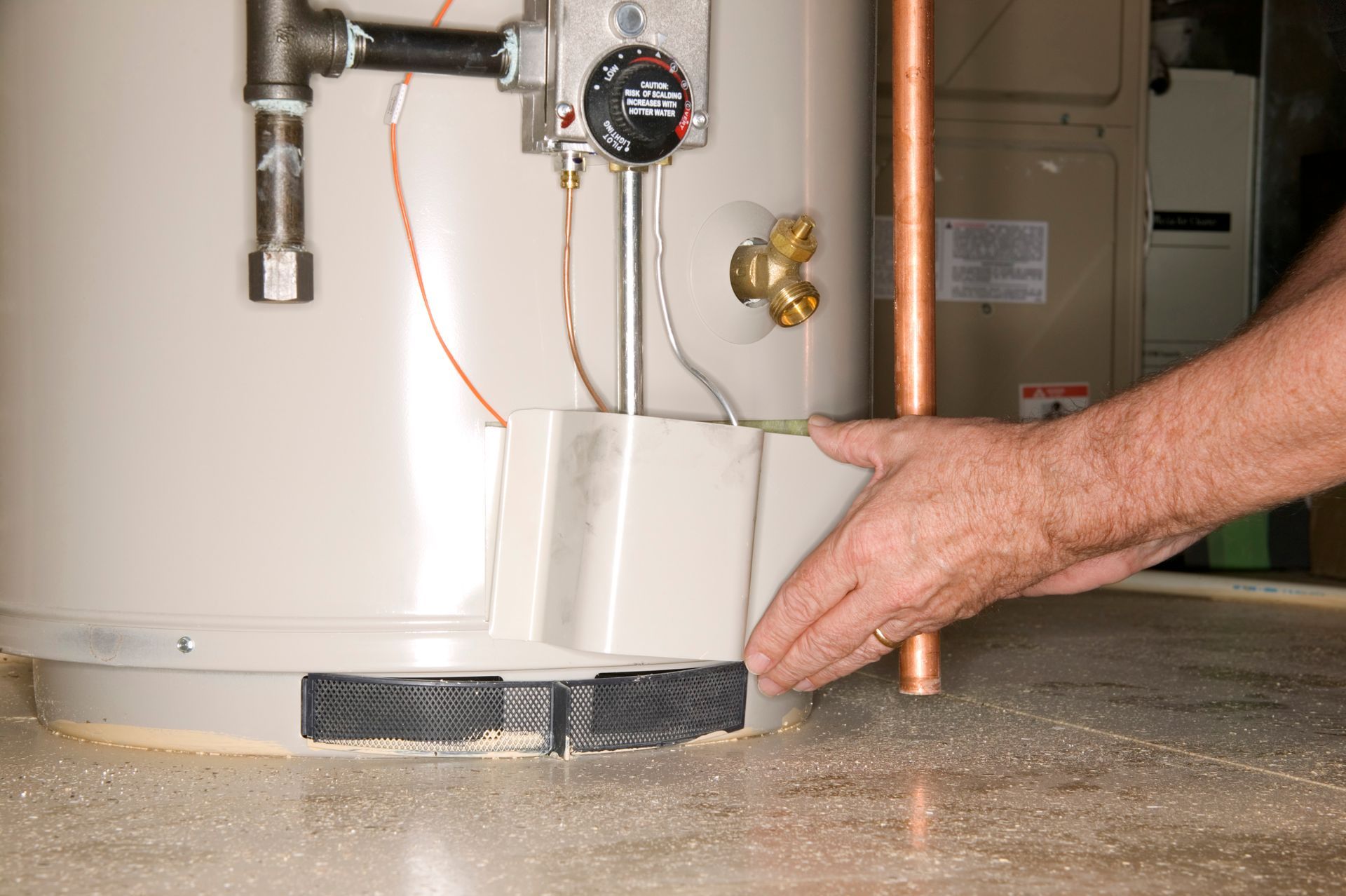
A quick visual inspection can reveal early signs of trouble. Periodically examine the floor and surrounding area for moisture, puddles, corrosion, or mineral deposits. Check accessible connections and visible pipes for signs of dripping or deterioration. If your water heater sits inside a closet or utility room, make sure the area remains accessible for inspections and professional servicing.
Pay attention to changes in the surrounding environment, too. Unusual dampness, musty odors, or visible rust may indicate a developing problem that deserves further investigation. Never ignore standing water near the unit, especially if the source is unclear. Routine visual checks are a straightforward part of upkeep, but they should not involve removing panels, manipulating gas connections, or handling electrical components.
Schedule Professional Tank Cleaning and Component Checks
Sediment can accumulate inside a traditional tank water heater as minerals settle out of the water supply. Over time, this buildup may contribute to rumbling noises, reduced heating efficiency, and additional strain on the equipment. Depending on the manufacturer's recommendations and local water conditions, periodically flushing the tank can help remove accumulated sediment and support proper operation.
Professional maintenance can also include checking the temperature and pressure relief valve, inspecting connections for leaks, and evaluating accessible electrical or gas components. These inspections help identify potential safety concerns and worn components before they cause more significant problems. Tankless systems may require descaling to address mineral deposits inside their heat exchangers. Because maintenance procedures vary by model, ask a plumber to establish an appropriate schedule for your equipment.
Monitor Temperature Settings and Household Hot Water Use
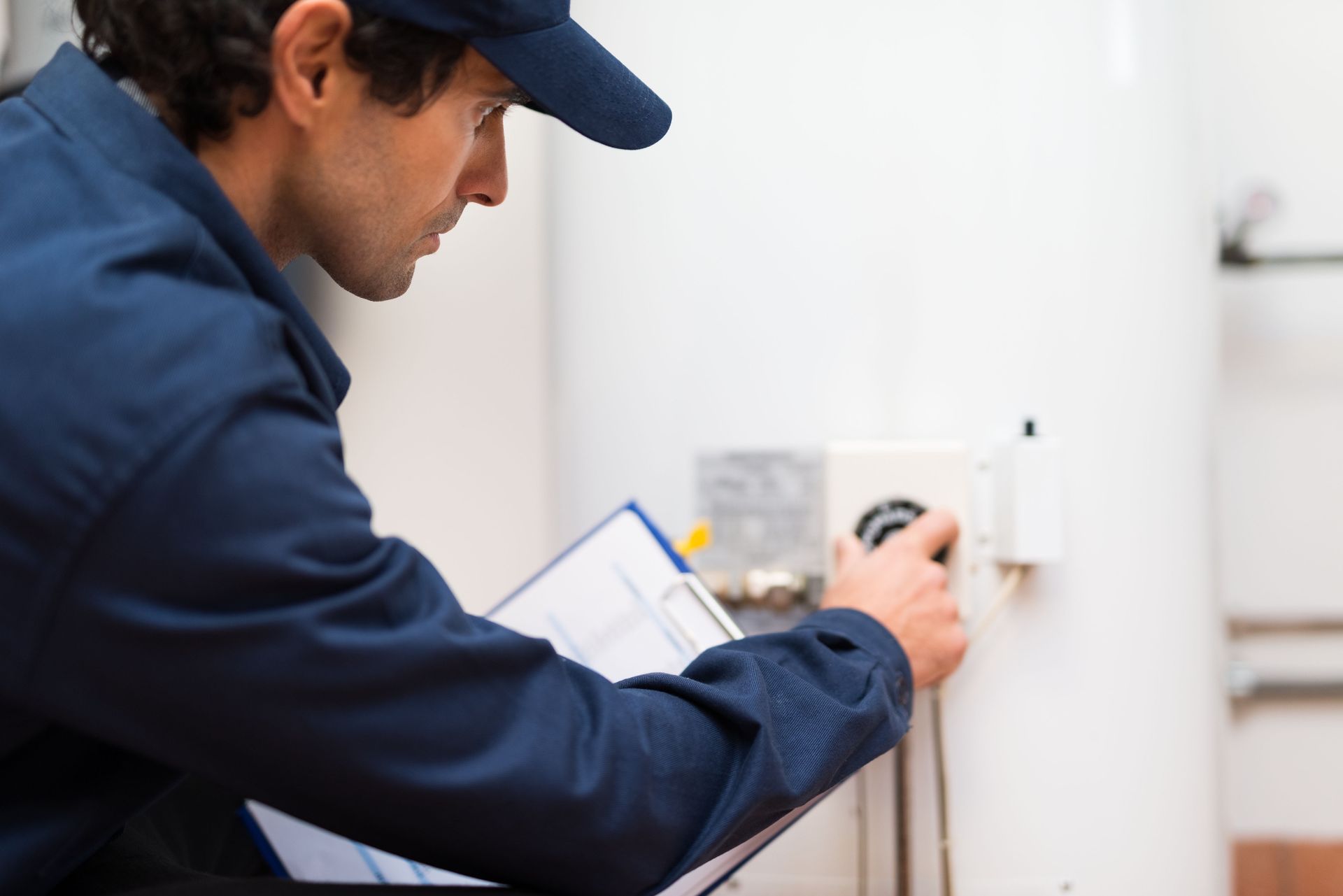
Water temperature affects comfort, energy consumption, and safety. Review your manufacturer's guidance when selecting an appropriate setting, and consider the needs of everyone living in your home. Water that is excessively hot can create a scalding hazard, particularly for young children and older adults. If you notice significant temperature fluctuations, have the system evaluated rather than repeatedly adjusting its controls without understanding the cause.
Your household's hot water habits also influence how hard the equipment must work. Multiple consecutive showers and frequent laundry loads can increase demand on a system that may already be undersized. Understanding these patterns can help you determine whether your current water heater meets your needs. Consistent upkeep, combined with reasonable temperature settings and awareness of household demand, can support efficient operation and help you anticipate future equipment needs.
Recognize Warning Signs and Know When to Call a Plumber
Watch for Leaks, Discolored Water, and Unusual Noises
Water heaters often provide warning signs when something is wrong. Moisture around the tank, dripping connections, or water collecting beneath the unit may indicate a leak. Rust-colored hot water can suggest corrosion somewhere in the system or connected plumbing, while popping and rumbling sounds may point to sediment buildup. These symptoms can have different causes, so avoid assuming that every problem requires the same repair.
If you discover a leak, contact a qualified plumber promptly to determine its source and the appropriate response. If water is near electrical equipment, avoid touching wet components. For suspected gas leaks, leave the area and contact the appropriate emergency service from a safe location. Taking unusual noises, discoloration, and moisture seriously helps prevent small concerns from developing into more disruptive problems. Visual inspections are useful, but they cannot replace a professional diagnosis.
Recognize Changes in Hot Water Performance
Pay attention to how your water heater performs during everyday activities. Water that takes longer to heat, runs out unusually quickly, or fluctuates between hot and cold may indicate a problem. Potential causes include a faulty thermostat, a heating element issue, sediment accumulation, or a system that cannot meet your household's demand. A sudden increase in utility bills may also warrant an inspection, particularly when your water usage has not changed.
Professional troubleshooting can help determine whether the problem involves a repairable component or a larger system issue. Addressing performance changes early may prevent further deterioration and reduce the likelihood of an unexpected outage. Although upkeep helps you recognize developing concerns, it cannot eliminate every mechanical failure. When symptoms persist or worsen, arranging a service appointment is generally more appropriate than repeatedly resetting the unit or attempting repairs yourself.
Plan Ahead for Repairs or Replacement
Eventually, even a well-maintained water heater may need significant repairs or replacement. Frequent service calls, persistent leaks, visible corrosion, inconsistent heating, and declining performance can indicate that the unit is approaching the end of its useful life. Compare the cost of necessary repairs with the potential benefits of installing a new system before deciding how to proceed.
When replacement becomes necessary, consider your household size, typical hot water demand, available installation space, and energy efficiency goals. Traditional tank models may suit households that prefer a stored supply of hot water, while tankless systems can provide hot water on demand when properly sized. A qualified plumber can explain the advantages, installation requirements, and maintenance needs of each option. Planning ahead gives you time to evaluate your choices instead of making a rushed decision after the existing unit fails.
To schedule maintenance, address potential issues, and keep your home's hot water running reliably, reach out to Joe Pro Plumbing - Heating - Air!
Share On: