

How Local Plumbers Are Saving the Environment
As concerns about global warming and environmental sustainability intensify, more industries are being called upon to adopt greener practices. Among those at the forefront of this movement are local plumbers who have embraced eco-friendly techniques and products to reduce environmental impact. Their efforts are crucial not only for reducing resource consumption but also for setting a standard in sustainable progress. By adopting more efficient water systems and reducing waste, plumbers play a pivotal role in maintaining ecological balance. This article explores the various ways in which local plumbers contribute to environmental conservation and the broader implications of their work.
1. Adoption of Eco-friendly Plumbing Products
Local plumbers are increasingly turning to eco-friendly plumbing products to reduce water consumption and minimize environmental damage. One common practice is the installation of low-flow fixtures which significantly cut down on water usage compared to traditional models. These fixtures include faucet aerators and showerheads that use technology to limit water flow without sacrificing performance. Furthermore, energy-saving water heaters and high-efficiency toilets not only conserve water but also reduce energy usage, creating a win-win scenario for both the environment and consumers. Ultimately, by encouraging the use of these products, local plumbers help in lessening the ecological footprint of residential and commercial spaces.
Water-efficient toilets have dramatically transformed how we conserve water in households and businesses. Prior to the introduction of these innovations, toilets often consumed around 3.5 gallons per flush, a massive drain on water resources. Transitioning to modern toilets that use less than 1.6 gallons per flush has been pivotal in reducing water waste. According to Plumbing Manufacturers International, switching from these older models means avoiding the usage of 437 billion more gallons of water per year. This impressive statistic underscores the significant environmental impact of adopting eco-friendly plumbing products.
Another important initiative in this regard is the replacement of hazardous lead pipes with safer alternatives such as copper and PVC. Lead pipes pose a severe health risk and also contaminate water supplies, making their replacement urgent and necessary. Plumbers who specialize in green practices ensure that these harmful pipes are substituted quickly and efficiently, contributing to public health and environmental safety. Additionally, biodegradable sealants are gaining popularity for their ability to decompose naturally, reducing the toxic load on landfills. In this way, local plumbers not only save water but also mitigate the broader environmental impact of their trade.
2. Implementation of Water Conservation Techniques
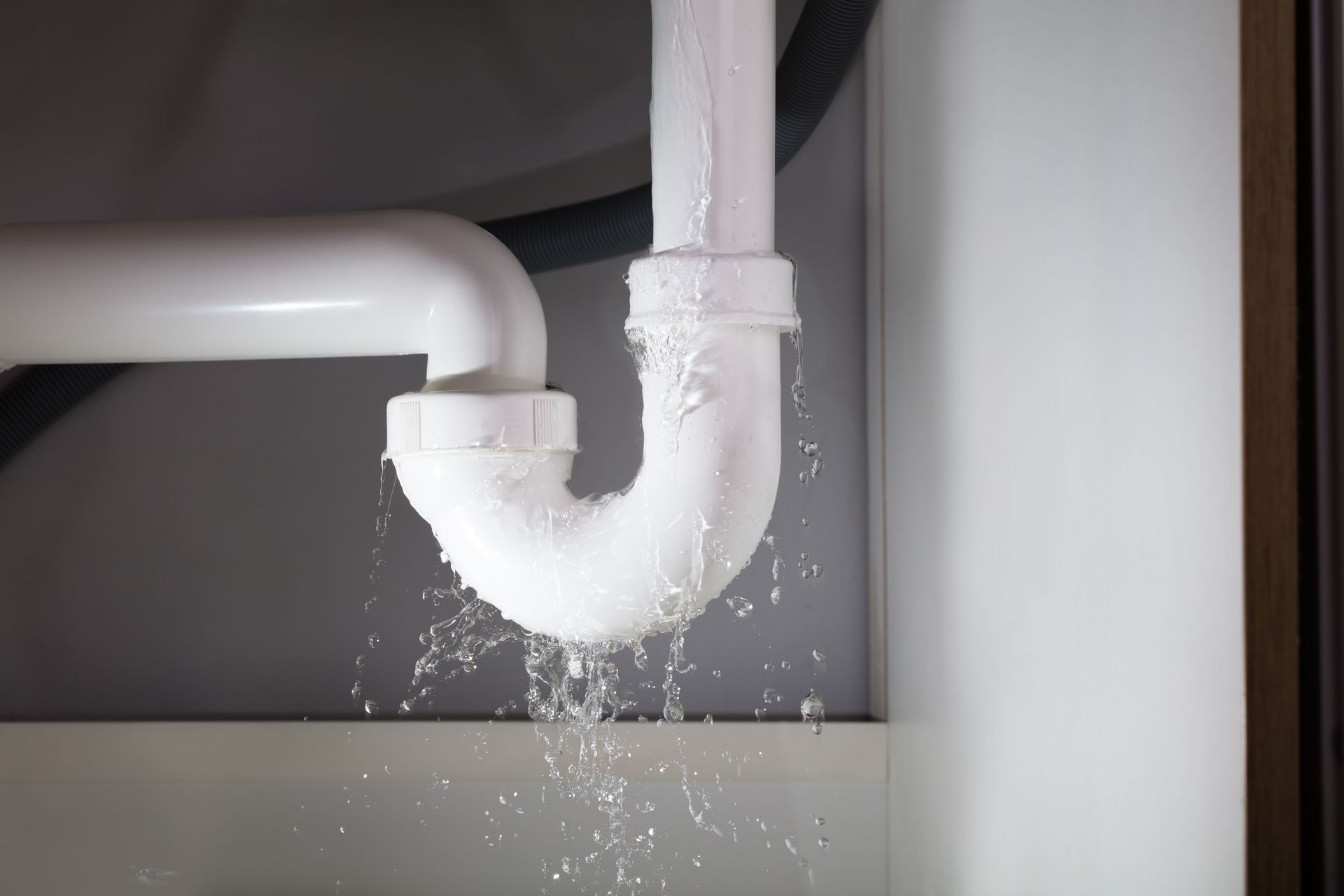
Water conservation techniques are an essential part of the sustainable plumbing practices being adopted by local plumbers. One of the most basic yet effective methods is the detection and repair of water leaks, which often go unnoticed in many households. A minor leak can waste up to thousands of gallons annually, underlying the importance of timely intervention. Plumbers are now utilizing advanced diagnostic tools to identify leaks quickly, thus conserving water and reducing utility costs. Additionally, they provide valuable insights into how households can implement their leak prevention strategies, thereby fostering a culture of water conservation.
Beyond leak detection, the use of greywater systems is another innovative approach that allows homes to reuse water from sinks, bathtubs, and laundry. This system repurposes greywater for landscape irrigation and toilet flushing, significantly decreasing the demand for fresh water. With a proper setup handled by skilled plumbers, homeowners can reduce their everyday water consumption substantially. Moreover, installing rainwater harvesting systems allows for the collection of rainwater to be used in gardens or for non-potable household chores. Both techniques exemplify how old water consumption patterns can be transformed through relatively simple adjustments.
Local plumbers are also actively engaged in educating communities about optimal water usage to raise awareness and promote sustainable habits. By organizing workshops and informational campaigns, they educate the public on practices such as taking shorter showers and using dishwashers efficiently. Initiatives also include encouraging drought-resistant gardening to further reduce water needs. Plumbers often work with environmental organizations to provide homeowners with tips and tools for effective water conservation. This proactive approach highlights their commitment to broader environmental goals beyond immediate plumbing needs.
3. Reuse of Plumbing Materials
Environmental responsibility extends beyond initial installation and water conservation, encompassing the recycling and reuse of plumbing materials. Local plumbers have embraced practices such as collecting and reusing copper piping, which is not only environmentally friendly but also economically advantageous. Copper is highly durable and infinitely recyclable without losing its properties, proving to be an ideal candidate for recycling initiatives. By utilizing recycled copper, plumbers reduce the demand for new raw materials, lessening the environmental burden associated with mining and manufacture. This approach not only conserves resources but also contributes to reducing greenhouse gas emissions.
Besides copper, other metals used in plumbing can also be recycled, presenting another opportunity for reducing waste. Scraps generated from plumbing jobs are collected and sent to recycling facilities where they can be repurposed. This initiative diverts significant quantities of scrap metal away from landfills, minimizing environmental contamination. Moreover, the recycling process consumes significantly less energy compared to producing new metal, further promoting environmental sustainability. Plumbers who engage in scrap metal recycling lead by example, demonstrating corporate responsibility while preserving natural resources.
In addition to metal recycling, the use of recycled plastics in plumbing is another eco-friendly initiative gaining traction. Recycled plastic pipes and fittings prove to be an economically viable and environmentally conscious choice. Many plumbing projects also produce organic waste, which local plumbers are now composting instead of discarding. Composting this organic material contributes to a reduction in landfill waste and supports soil regeneration. Moreover, partnerships with recycling facilities enhance these efforts by ensuring more comprehensive recycling processes, strengthening the impact of these green practices. Thus, the commitment to recycling and reuse reinforces how plumbers can maintain high service standards while prioritizing environmental health.
4. Community Outreach and Education
Community outreach and education are vital components of the environmental initiatives promoted by local plumbers. Through public education campaigns, plumbers elevate awareness of environmental issues and the role of plumbing in conservation efforts. These campaigns provide valuable information on water-saving techniques, helping households and businesses understand their role in maintaining ecological balance. School outreach programs introduce younger generations to the importance of sustainable living, ensuring that future consumers and decision-makers are knowledgeable and proactive. By investing in community education, plumbers empower individuals to contribute to environmental conservation in meaningful ways.
Free water conservation workshops facilitated by local plumbers offer practical, accessible ways for communities to reduce water waste. These workshops often cover essential topics such as identifying leaks, choosing energy-efficient appliances, and implementing water-saving landscaping. By providing hands-on experience and expert guidance, these events equip participants with the skills needed to adopt sustainable practices in their daily lives. Plumbers also provide resources and tools, such as water-saving kits, to encourage immediate action following workshops. Ultimately, these outreach efforts help foster a community that is aware and supportive of environmental initiatives, laying the groundwork for long-term change.
Partnerships with local governments and environmental organizations amplify the impact of sustainable plumbing practices across communities. By collaborating with municipal bodies, plumbers can help inform policy decisions and drive legislative changes that promote eco-friendly practices. These partnerships often result in incentive programs that reward water conservation efforts, further motivating individuals and businesses to engage with green plumbing solutions. Additionally, alliances with environmental organizations strengthen advocacy efforts, ensuring that sustainable plumbing remains a priority within broader conversations about environmental protection. Hence, local plumbers play an integral role in advocating for systemic approaches to environmental conservation.
Local plumbers are making a notable impact on environmental conservation through their commitment to sustainable practices and innovations in plumbing services. By embracing eco-friendly products, water conservation techniques, and advanced technologies, they lead the charge in reducing resource consumption. Their efforts in recycling materials and engaging with communities further exemplify their dedication to environmental stewardship. As the demand for sustainable living increases, the role of local plumbers becomes even more critical in creating a healthy and sustainable planet. If you're looking for a community-minded plumbing company, reach out to Joe Pro Plumbing - Heating - Air today!

Share On: