
8 Sneaky Signs You Have a Hidden Pipe Leak Behind Your Walls
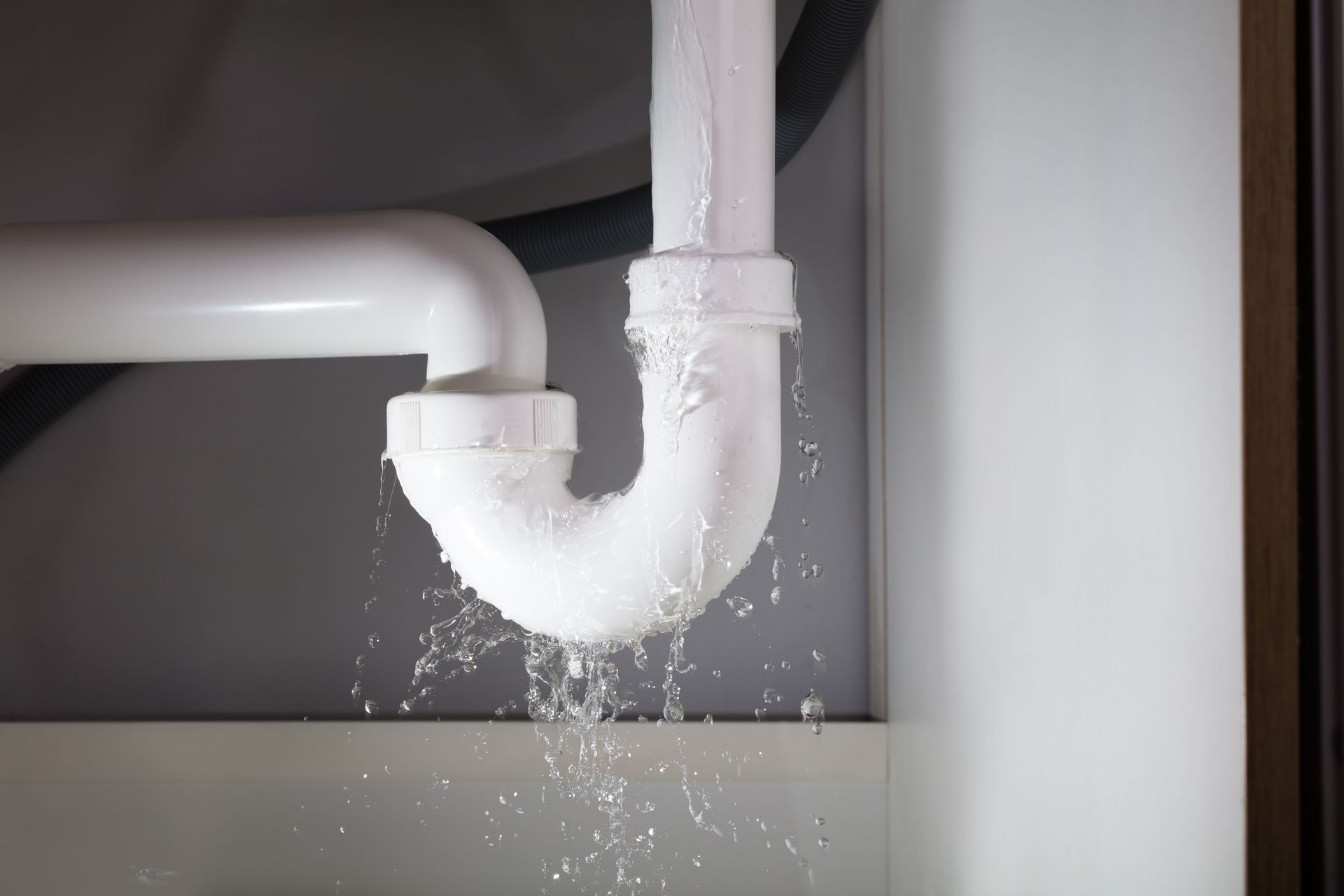
Water damage doesn't always announce itself with a burst pipe or a flooded basement; often, it begins as a quiet, unseen trickle deep within your home's framing. According to the Environmental Protection Agency, 10% of homes have hidden leaks that waste 90 gallons or more of water every single day. Because plumbing lines run behind sheetrock, beneath flooring, and through ceiling cavities, these silent breaches can go unnoticed for months while silently eroding your home's structural integrity. Catching the subtle warning signs early is the key to preventing catastrophic structural failures, hazardous mold growth, and astronomical repair bills. When moisture begins building up out of sight, relying on a licensed plumber to locate and resolve the leak quickly can save you thousands of dollars in property damage.
1. Skyrocketing of Monthly Utility Bills Without Explanation
One of the most reliable indicators of an active, unseen pipe leak is an unexplained spike in your monthly water bill. If your household routine hasn't changed—no extra loads of laundry, no filled swimming pools, and no seasonal lawn watering—yet your consumption numbers continue to climb, water is escaping somewhere in your system. A tiny pinhole leak in a copper pipe can discharge hundreds of gallons of water over a 30-day billing cycle. Because these supply lines remain under continuous pressure, the loss never stops, even when all your fixtures are turned off. If your utility statements show a steady upward trend despite normal usage, bring in a licensed plumber to conduct a pressure test on your system.
2. Mustying of Room Air and Enclosed Spaces
Have you noticed a persistent, earthy smell in a specific room, hallway, or closet that refuses to dissipate despite deep cleaning? When a pipe leaks inside a wall cavity, the trapped water saturates sheetrock, insulation, and wooden wall studs. Deprived of sunlight and fresh airflow, this dark, damp environment becomes an ideal breeding ground for mildew and dampness. The resulting odor is often described as musty, stale, or similar to damp cardboard. While surface humidity can occasionally cause odors, a localized smell that concentrates around a specific interior wall strongly suggests water accumulation behind the drywall. Ignoring this smell allows hidden decay to advance unhindered throughout your home's timber framing.
3. Discoloring and Staining on Wall Surfaces
As water pools inside a wall cavity, it eventually works its way outward toward the decorative surface, leaving visible marks behind. Look closely at your drywall and ceilings for unusual yellow, brown, or dark grey water rings. On painted walls, this staining might initially appear as a subtle, washed-out shadow before hardening into a distinct, discolored stain. Because water follows the path of least resistance, it often travels horizontally along wooden support studs or joists before seeping into the sheetrock, meaning the visible stain may actually sit several feet away from the pipe breach. Engaging a licensed plumber at the first appearance of water staining ensures the true source of the leak is pinpointed before the sheetrock turns structurally soft.
4. Blistering and Peeling of Wall Finishes
When moisture saturates drywall from the inside out, it destroys the bond between the wall material and its surface finishes. Paint does not adhere well to wet surfaces; instead, it swells, bubbles, and stretches into unsightly blisters as trapped moisture tries to evaporate. Similarly, wallpaper applied over a leaking wall cavity will begin to bubble, wrinkle, or peel away at the seams as the underlying adhesive breaks down. If you notice latex paint stretching into water-filled pockets or wallpaper curling without any external cause, moisture is actively working its way through the board from behind. Scrape marks or touch-up paint won't fix this cosmetic issue until the hidden plumbing leak is fully resolved.
5. Ticking and Dripping Sounds Inside the Drywall
Your ears will often detect a hidden pipe leak long before your eyes see any physical damage. Late at night, when the house is quiet and all faucets, showers, and appliances are completely shut off, listen closely near your interior walls. A leaking supply pipe often creates a faint, rhythmic ticking, clicking, or dripping sound as water drips onto insulation or wooden studs. Additionally, hot water line leaks can cause copper pipes to expand and rub against framing brackets, creating a distinctive ticking noise as the temperature fluctuates. If you hear continuous water movement or strange dripping sounds inside your walls, hire a licensed plumber to perform an acoustic leak detection test.
6. Warping and Buckling of Wallboards
Drywall is primarily made of gypsum sandwiched between layers of paper, making it exceptionally vulnerable to water absorption. As a hidden leak continually douses the interior face of the sheetrock, the material absorbs water like a sponge, losing its structural rigidity. Over time, this leads to visible warping, bowing, or buckling along the wall plane. If you run your hand along a wall and feel soft, spongy spots, or if baseboards begin pulling away from the drywall, the structural integrity of the wall is severely compromised. In advanced cases, saturated drywall becomes so heavy that sections can crumble or collapse entirely, creating an immediate safety hazard inside your living space.
7. Spreading of Mold and Mildew Patches
Where there is dark, trapped moisture, mold growth inevitably follows. Spores thrive on the organic paper backing of drywall, quickly spreading through the wall cavity before breaking through to the visible surface. If you see black, green, or speckled patches appearing along baseboards, lower wall edges, or ceiling corners, you are likely looking at the outer edge of a much larger internal colony. Beyond causing severe structural damage to your home, indoor mold colonies release airborne spores that can trigger respiratory issues, allergies, and asthma attacks. Because mold remediation is useless while a water source remains active, fixing the underlying pipe failure with a licensed plumber is your critical first step.
8. Dropping of Household Water Pressure
A sudden, inexplicable loss of water pressure across your home fixtures often points to a significant breach in your main supply lines. If a pipe hidden behind your walls develops a major crack or pinhole split, a substantial portion of your home's incoming water volume escapes into the wall cavity rather than reaching your sinks, showers, or toilets. If you notice that your shower pressure has dropped dramatically or your kitchen faucet takes twice as long to fill a pot, the issue likely extends beyond a clogged aerator. Calling a licensed plumber immediately can help isolate the broken supply line, preventing thousands of gallons of water from flooding your home's structural framing.
Hidden pipe leaks are among the most destructive threats a homeowner can face because they operate completely out of sight. From rising utility bills and musty odors to warped sheetrock and declining water pressure, these sneaky warning signs demand quick, decisive action before minor repairs turn into major structural overhauls. Partnering with a licensed plumber at the very first sign of trouble ensures your home remains safe, dry, and structurally sound for years to come.
If you suspect a hidden water leak behind your walls, don't wait for costly structural damage to compromise your home's safety. Contact the experienced team at Joe Pro Plumbing - Heating - Air today to schedule a comprehensive diagnostic inspection with a trusted,
licensed plumber. Protect your property and restore your peace of mind by letting us locate and resolve your hidden plumbing issues before they turn into major emergencies!

Share On: