
Boiler Repair vs. Replacement: How to Decide
Keeping your home heating system in good shape is essential for comfort during the colder months. In homes with radiant heat, the central pressure vessel quietly keeps things warm every day. It needs to work reliably to send hot water or steam through your baseboards, radiators, or underfloor pipes. Over time, though, regular use and temperature fluctuations can wear down the system and affect its performance.
When a heating unit experiences performance drops, property owners often find themselves caught in a difficult financial balancing act. Choosing whether to invest in an ongoing series of restoration tasks or to schedule a full mechanical upgrade requires an analysis of your equipment's condition. Forcing an outdated or severely damaged vessel to continue running can compromise your safety and lead to high energy costs. Understanding how to evaluate system performance parameters allows you to choose the most cost-effective path forward. Partnering with skilled technicians who offer certified boiler repair allows you to navigate these complex infrastructure choices with total confidence.
Assessing the Physical Age and Material Fatigue of Your Equipment
Securing Immediate Reliability with a Strategic Mechanical Restoration
Traditional hydronic appliances built over a decade ago utilize heavy cast iron or engineered steel structures that offer high basic structural durability. When a unit is under fifteen years old, catching component failures early through targeted professional inspections is often the most economical choice. Scheduling a timely boiler repair addresses issues such as failing gas valves, worn thermocouples, or sticky circulator pumps without requiring the large investment of a full system upgrade. This specific physical intervention restores your heating reliability while maximizing the useful life of your existing appliance.
Eliminating Chronic Safety Risks Through Prompt Equipment Replacement
When a residential heating unit reaches twenty years of age, the physical risk of internal steel decay and cast-iron fracture climbs significantly. Over decades, the continuous chemistry of hot water circulation gradually wears away internal metal walls from the inside out. Upgrading an ancient, worn structure before an unrepairable internal breach occurs shields your home from catastrophic utility failures. Investing in a brand-new appliance eliminates hidden carbon monoxide risks and heavy leaks, creating a secure living environment for your loved ones.
Lowering Monthly Utility Expenditures with High Efficiency Metrics
A major limitation of choosing to patch up an outdated heating system is that you can't improve its basic energy efficiency. Older units usually don't perform as well as newer models. According to Home Guide, modern boilers and furnaces have AFUE ratings between 80% and 100%, depending on the model and fuel type. Upgrading to a high-efficiency model helps you get more heat from every unit of fuel, which can lower your heating bills in winter.
Monitoring Frequency and Cumulative Costs of Mechanical Failures
Resolving Minor Functional Issues with Budget-Friendly Adjustments
It's normal for any heating system to need a part replaced now and then. If your system has worked well for years, don't worry if something like the expansion tank or pressure relief valve breaks. A professional repair can fix these small problems quickly and affordably. Taking care of minor issues as they come up helps you avoid bigger, more expensive repairs later.
Cutting Off Ongoing Financial Drains Through Decisive Upgrades
When your heating system requires multiple service calls in a single season to keep your radiators lukewarm, the financial logic shifts completely. Spending hundreds of dollars repeatedly on replacement controls, zone valves, and burners quickly adds up to the cost of a modern system. Choosing a full equipment replacement cuts off this continuous cycle of emergency service spending, saving you money in the long run. A new, factory-fresh installation establishes a zero-maintenance benchmark that protects your family budget from sudden service fees.
Preserving Long-Term Peace of Mind with Extended Equipment Coverage
Every time you choose a standard patch over a full system upgrade on an old machine, you assume the full financial risk of future mechanical breakdowns. Conversely, selecting a new residential unit backs your mechanical room with long-term product warranties. This corporate backing ensures that if a component fails prematurely, the repair costs are fully covered by the manufacturer. Upgrading your heating framework provides long-term peace of mind, freeing you from the stress of winter mechanical breakdowns.
Evaluating Heating Consistency and Thermal Distribution Integrity
Recovering Fast Zoned Thermal Response via Valve Restorations
When individual rooms or entire wings of your home remain cold while other zones overheat, the underlying issue often stems from a failure of fluid distribution hardware rather than the central heater itself. Over time, internal mineral deposits can jam zone valves or seize circular pumps, blocking hot water from entering specific heating loops. Scheduling a targeted boiler repair allows technicians to clear out stuck zone valves and replace dead pumps quickly. This service restores proper fluid dynamics, ensuring even heat distribution throughout your home.
Securing Steady Temperature Stability with Modulating Burner Systems
Older hydronic heaters operate on a basic on-and-off power cycle, firing at full capacity regardless of how mild the outdoor temperatures are. This primitive cycling pattern causes indoor temperatures to swing uncomfortably while accelerating mechanical wear across the heat exchanger. Modern replacement units utilize advanced modulating burners that continuously adjust their flame height to match your real-time heating load. Upgrading your equipment delivers steady temperature stability, reduces cold drafts, and saves fuel.
Clearing Trapped Air Blocks Through Radiator Bleeding Services
A lack of consistent heat across a series of cast-iron radiators is often caused by trapped air pockets gathering at the top of the metal panels. This air block physically prevents hot water from filling the radiator tubes, reducing your heating system's thermal output. A professional boiler repair technician can resolve this issue quickly by purging the air from your lines and balancing your system's fluid pressures. This basic service restores full heating output across your home without requiring an expensive equipment replacement.
Analyzing Internal Metal Corrosion and Fluid Discoloration
Resolving Minor Piping Leaks by Swapping Old Cast Fittings
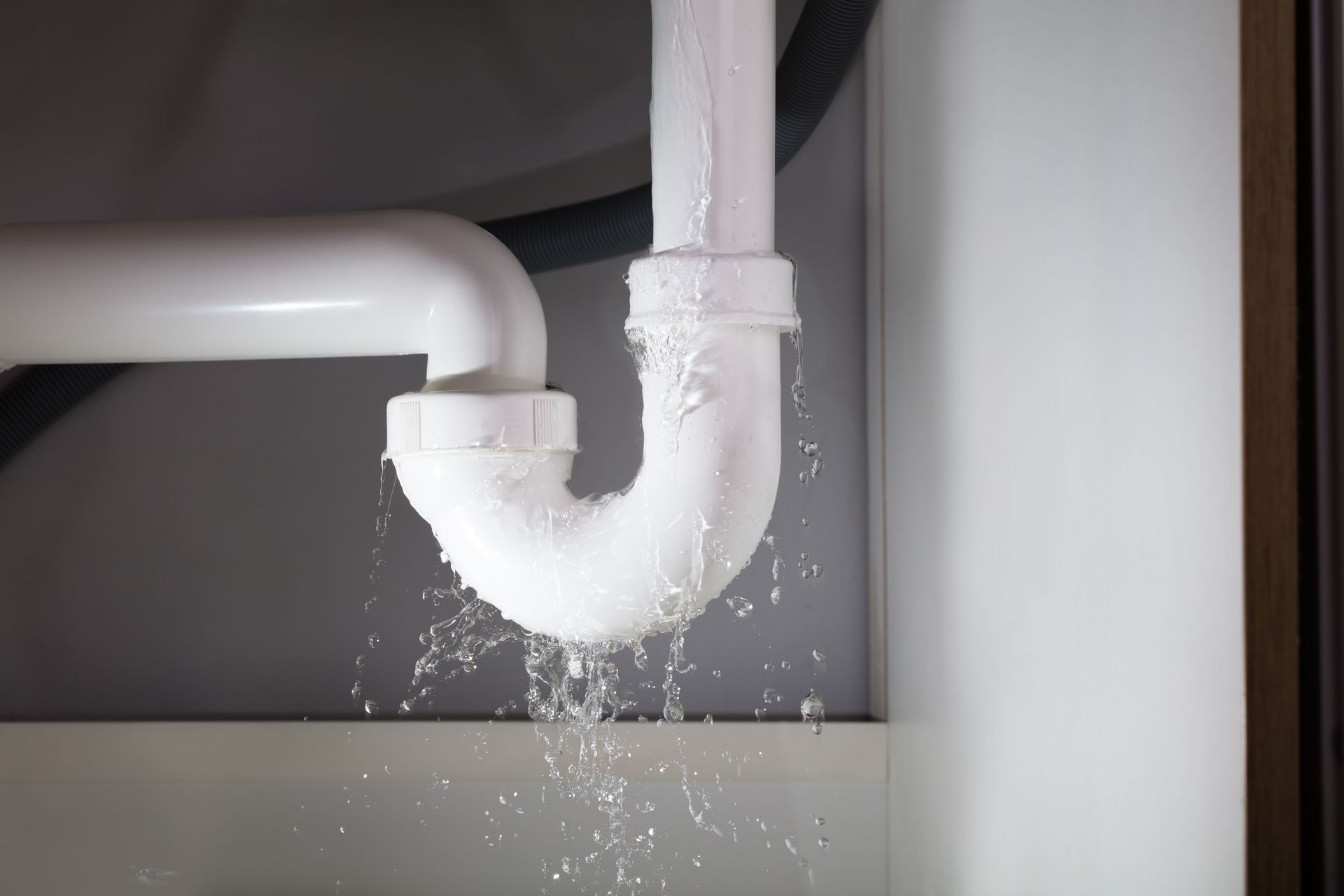
Finding small traces of dried rust or minor moisture around external pipe threads does not automatically mean your entire heating framework is failing. External gaskets, manual drain spigots, and threaded brass connections can slowly loosen over years of constant thermal expansion. Engaging a skilled technician for a targeted boiler repair resolves these localized fitting leaks before they can cause structural rot. This targeted service seals your fluid lines, keeping system pressures stable and protecting your floorboards.
Preventing Severe Boiler Room Flooding via Core Vessel Changes
If you spot heavy, rusty water leaking directly from behind the insulated outer jacket of your main heating unit, the core steel structure has likely rusted through. Internal metal fractures cannot be safely welded or patched, meaning the structural integrity of your equipment is permanently compromised. Choosing a new, modern replacement unit completely eliminates the risk of sudden flooding in the boiler room. This protective upgrade keeps your utility space dry, protecting your foundation and surrounding home appliances from water damage.
Eliminating Abrasive Metal Flakes with Fresh System Fluid
Allowing an old, rusting steel tank to operate continuously causes loose flakes of iron oxide to travel through your entire baseboard network. This abrasive sludge acts like sandpaper inside your pipes, ruining delicate valve seats and scratching the internal impellers of your circulator pumps. Upgrading to a new system removes this built-in sediment from your plumbing lines, ensuring clear fluid circulation. This internal cleansing extends the life of your zone controls, lowering your long-term repair costs.
Partnering with Trusted Local Heating Service Professionals
Navigating your home's seasonal heating updates becomes completely stress-free when you have an experienced team managing your equipment choices. For property owners looking to maximize comfort and secure dependable boiler repair, Joe Pro Plumbing delivers premier residential heating solutions tailored to your household's needs. Backed by extensive field experience and a commitment to customer service, our licensed technicians handle your heating needs from minor controls troubleshooting through full system design and high-efficiency equipment installations.
Our team takes the time to look at your home's layout and heating needs so we can recommend the best repair or upgrade for your budget. We also offer drain cleaning, air quality improvements, electrical work, and emergency plumbing to keep your home running smoothly. Contact Joe Pro Plumbing today to schedule a system check and bring reliable warmth back to your home.

Share On: