
Common Boiler Problems and How Professionals Fix Them
Understanding common boiler problems and the professional solutions available can help homeowners address issues promptly, ensuring safety and efficiency. This article delves into prevalent boiler complications and how experts navigate boiler repair. Homeowners often overlook their boilers until a significant problem arises; however, proactive measures and professional intervention can extend the life of your heating system. According to House Grail, A professionally installed boiler can last 10 to 15 years, making it essential to keep it in optimal condition.
Leaking and Dripping Boiler
Identifying The Source
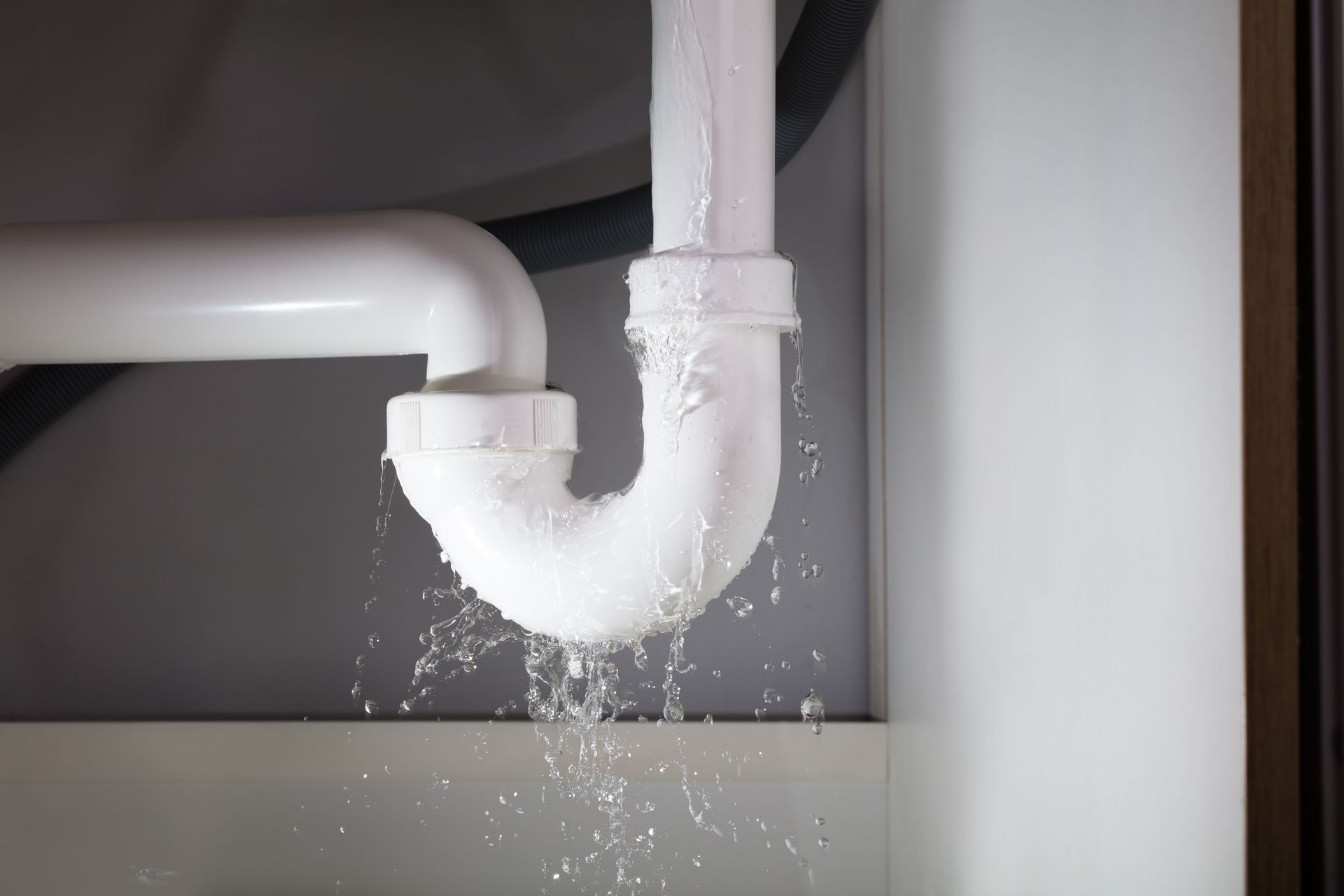
When dealing with a leaking boiler, one of the first steps professionals take is identifying the exact source of the leak. This often involves checking all visible pipes and connections for any signs of moisture or water pooling. Experts use tools like moisture meters to detect leaks that aren’t immediately visible to the naked eye. By tracing damp areas, they can pinpoint whether the leak is originating from a pipe, a faulty valve, or the boiler itself. Advanced detection technologies also play a role in ensuring precise and efficient diagnostics.
Common Causes of Leaks
Boiler leaks can result from various issues, each requiring careful investigation. Often, the culprits are corroded pipes that have deteriorated over time, especially in older systems. Faulty pressure valves are another frequent cause, sometimes due to excessive pressure within the system. Seal degradation can also lead to leaks, especially if poor-quality materials are used or if regular maintenance is neglected. Understanding these causes helps professionals formulate an effective boiler repair strategy.
Tools and Equipment Used for Repairs
Professionals come equipped with specialized tools to address boiler leaks effectively. Pipe cutters, for instance, are essential for removing and replacing sections of damaged piping. Sealant applications are commonly used to reinforce areas prone to minor leaks and to act as a preventive barrier against future issues. Moreover, pressure relief valves may be repaired or replaced using precise instruments to ensure the system operates within safe parameters. These tools, when used correctly, allow for durable boiler repairs while minimizing disruption.
Preventive Measures
Prevention is vital in minimizing boiler leaks, and regular maintenance plays a pivotal role. Homeowners should schedule routine checks with certified professionals to ensure all seals and connections remain intact. Preventive strategies include monitoring system pressure regularly and promptly addressing minor issues before they escalate. Installing top-quality components and keeping pipes insulated also helps in preventing leaks. By adopting these measures, homeowners can avoid significant boiler repairs and extend the life of their boiler.
No Heat or Hot Water
Diagnosing the Problem
One common issue homeowners face is the absence of heat or hot water, often due to several underlying problems. Professionals begin by checking the thermostat settings, as an incorrect setting can prevent the system from functioning correctly. If the thermostat is operational, the focus shifts to potential airlocks, which can obstruct water flow and cause system disruptions. Additionally, malfunctioning pumps or motors might be identified as culprits, leading to a lack of heat distribution. Accurate diagnosis is critical to applying an effective remedy.
Faulty Thermostat Solutions
A malfunctioning thermostat can significantly affect heating performance, so professionals conduct tests to ensure proper operation. Calibration checks ensure the thermostat detects current room temperatures accurately and communicates correctly with the boiler. If calibration fails to solve the issue, the device itself may require replacement to restore proper system function. This diligent approach guarantees that heating problems attributable to thermostat errors are resolved efficiently.
Ignition Problems
Ignition problems can lead to no-heat scenarios, often caused by issues in the gas supply or ignition components. Professionals inspect the gas line for blockages or leaks and check that gas valves are functioning correctly. If needed, replacement of the ignition leads ensures that the boiler can ignite consistently and safely. Electrical components like the igniter may fail due to age or wear and are therefore subject to regular checks and replacement when defective.
Addressing System Airlocks
Airlocks in heating systems obstruct water flow, resulting in uneven or complete absence of heat. Professionals generally deal with this issue by bleeding the system, releasing trapped air to restore proper circulation. This often involves opening specific valves and using specialized tools to ensure that the trapped air is effectively evacuated. In severe cases, a system flush may be recommended to eliminate stubborn airlocks. By addressing these air issues, heating systems can operate smoothly and efficiently.
Kettling - Noisy Boilers
Understanding the Causes of Kettling
Kettling is often characterized by a loud banging or rumbling noise that indicates underlying issues within the boiler. This problem typically arises due to limescale buildup or the accumulation of sludge in the system, restricting water flow and causing overheating. Hard water areas are particularly susceptible to limescale formation, leading to a progressive decline in heating efficiency. The restriction forces the water to overheat, producing steam and noise. Professionals recognize these symptoms quickly to address the root issues effectively.
Detecting Kettling Early
Early detection of kettling can prevent further boiler damage and reduce boiler repair costs. Professionals use various indicators to identify the onset of kettling, such as changes in system performance or unusual noises. Conducting regular checks allows them to notice these signs early, before they escalate into significant issues. By monitoring for uneven temperature distribution or spikes in energy bills, homeowners can alert professionals promptly. Timely interventions ensure the boiler continues to function safely and efficiently.
Techniques for Descaling
Descaling is a critical process for dealing with kettling, particularly in areas with hard water. Professionals use chemical solutions specially formulated to break down limescale within the system. These chemicals flow through the system, dissolving deposits and enabling easy flushing afterward. Mechanical descaling might be necessary, using specialized tools to physically remove stubborn scale accumulations. This thorough approach ensures that the pipes and boiler components remain free-flowing and efficient.
System Flushing Procedures
Flushing is an essential process in maintaining a clean and efficient heating system, particularly to deal with kettling. Professionals perform power flushing using high-velocity water jets to dislodge and remove sludge and debris. This procedure not only alleviates kettling symptoms but also optimizes system performance and energy efficiency. After flushing, an inhibitor may be added to the system to reduce the rate of future limescale and sludge formation. Regular flushing as part of maintenance prolongs boiler life and prevents recurring issues requiring larger boiler repair.
Boiler Pressure Issues
Low Pressure Symptoms and Causes
Low pressure in boilers can lead to reduced efficiency and frequent system shutdowns. Symptoms include irregular heating, loss of water pressure in taps, and peculiar noises from the boiler. Typically, leaks within the system or air trapped inside might cause these pressure drops. Professionals methodically inspect for visible leaks and analyze pressure gauge readings to confirm issues. Addressing these root causes quickly is vital to restoring the system’s pressure equilibrium and efficiency.
High-Pressure Dangers
Conversely, high pressure in a boiler system poses risks such as pipe bursts or system failure. This condition typically results from faulty components, such as the pressure relief valve failing to release excessive pressure. Homeowners may notice warning signs like continuous leaks from the pressure release outlet or pressure exceeding safe levels on the gauge. Professionals evaluate and replace faulty components promptly to mitigate these dangers. Regular monitoring helps in avoiding pressure-related malfunctions that could lead to costly boiler repair.
Pressure Relief Valve Role
The pressure relief valve is a critical safety component in a boiler system, preventing pressure from exceeding acceptable limits. Professionals check this valve routinely to ensure it operates correctly and releases pressure as needed. Over time, deposits might accumulate, restricting the valve’s functionality, requiring cleaning or replacement. Thorough inspections prevent incidents related to uncontrollable pressure build-up, ensuring system safety. By prioritizing the valve’s maintenance, homeowners can safeguard both their property and boiler investment.
Timely identification and resolution of boiler issues ensure longer system life and efficiency. By understanding how professionals address these common problems, homeowners can appreciate the value of expert boiler repair and maintenance services. Proactive care saves money, energy, and provides peace of mind year-round. If you are in need of boiler repair services, reach out to Joe Pro Plumbing for quality service backed by 25-plus years of experience.

Share On: