

Tank vs. Tankless Water Heater: Which Is Right for You?
Water heaters play a crucial role in maintaining our daily comfort, supplying the hot water necessary for showers, dishwashing, and more. Among the primary types of water heaters available on the market today, tank and tankless units stand out due to their unique features and applicability to different household needs. This article aims to provide an in-depth comparison of these two types, guiding homeowners in choosing the best water heater system for their requirements.
Several factors influence the decision between a tank and a tankless water heater, including cost, efficiency, space, longevity, and environmental impact. Understanding these elements can help buyers make informed choices that align with their specific situations and future goals. The upcoming sections will delve into these considerations, providing a comprehensive analysis to support the decision-making process.
By exploring the key differences and advantages of each type, we set the stage for an informed decision. Whether prioritizing cost-effectiveness or looking for sustainable solutions, this article will illuminate the pathways available for finding a suitable water heater. Readers will gain valuable insights into making a choice that not only meets their needs today but also fits their long-term lifestyle and environmental aspirations.
Section 1: Cost Considerations
Installation costs are one of the first considerations when choosing between tank and tankless water heaters. Traditional tank water heaters generally have lower installation costs due to their straightforward setup. In contrast, tankless systems often entail higher initial expenses as they may require retrofitting of existing plumbing or electrical systems. Given these potential costs, homeowners must weigh the short-term affordability against long-term energy savings. This consideration is crucial in assessing the true cost of ownership over the unit's lifespan.
The initial purchase price also varies significantly between the two types. Tank water heaters, being more common and technologically simpler, tend to have a lower upfront price than tankless models. However, while tankless heaters may be more expensive to buy, they promise savings on utility bills over time because of their efficient operation. Evaluating the long-term financial commitments associated with each type is necessary to determine which is more economical across the life of the heater. Consideration of long-term financial planning becomes a key aspect of making an informed choice.
Finally, maintenance expenses, tax credits, and rebates should be considered in the total cost of ownership. Routine maintenance costs for tank heaters are typically lower, yet tankless options usually offer longer service life, which can lead to fewer replacements. Furthermore, some regions offer tax incentives or rebates for installing energy-efficient tankless systems, further offsetting the higher initial costs. Therefore, understanding the full financial picture, including potential savings from government initiatives, is vital for making a smart, cost-effective decision. These financial elements can significantly influence the overall economic viability of the desired system.
Section 2: Efficiency and Performance
Energy consumption is a major differentiator between tank and tankless water heaters. Tank water heaters continuously maintain a reservoir of hot water, leading to a consistent energy draw. Conversely, tankless systems heat water on demand, reducing energy usage when hot water is not needed. This distinct operational difference makes tankless systems more energy-efficient, potentially translating into significant utility savings. However, it is crucial to consider daily hot water habits when evaluating the practical performance of each system.
When it comes to heating speed and response time, tankless water heaters generally provide hot water almost instantaneously. This benefit is due to their on-demand nature, eliminating the need to wait for a tank to heat up. In contrast, tank systems can take longer to recover if large volumes of hot water are used in a short period. Families that often find themselves running out of hot water might prefer tankless models for this reason. Thus, analyzing the family's hot water usage patterns becomes essential to determining which system will adequately meet daily demand.
The availability of hot water and its temperature consistency is also vital for daily comfort. Tank systems might have limitations on continuous supply, especially in households with high water usage. Tankless systems shine in this respect, as they provide an endless supply of hot water, assuming that flow rate requirements are met. Additionally, energy star ratings and certifications often provide assurance about a unit's efficiency and reliability. This information is essential to make a conscious decision towards a more environmentally friendly and efficient home utility setup.
Section 3: Space and Installation
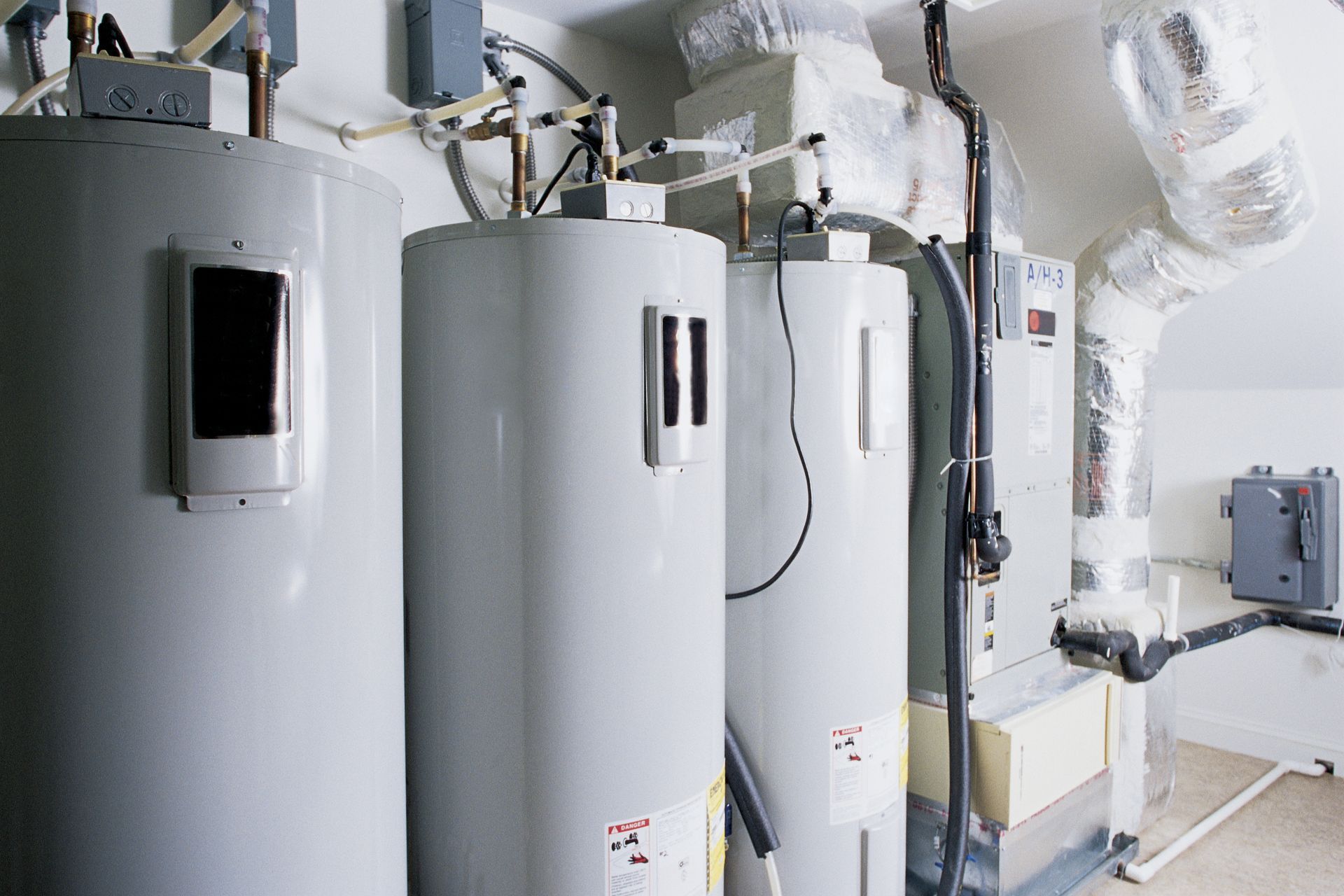
The space requirements for installing a water heater can significantly impact the decision, particularly in homes with limited room. Tank water heaters are bulkier, usually requiring a substantial amount of space for installation. This becomes a disadvantage in apartments or settings where space is a premium. Tankless heaters offer a compact solution, with many models small enough to fit in tight spaces, helping maximize household storage and utility space. Hence, the physical footprint of these units is a critical aspect of planning an installation that doesn't sacrifice valuable living space.
Complexity of installation is another factor where tankless systems often necessitate specialized installation due to their specific power and venting requirements. This complexity can add to both initial costs and time involved in setting up the system. In contrast, tank systems usually have standardized setups with consistent plumbing connections. Nevertheless, if location flexibility or installation in unconventional spots is needed, tankless options provide significant advantages. This flexibility can be particularly appealing in home remodels or redesigns.
Ventilation and clearance needs also differ between the two types. Tank systems typically require sufficient airflow and a space that allows for heat dissipation. Tankless units, being smaller and often wall-mounted, necessitate proper venting but can be installed close to points of water use. Nevertheless, ensuring proper integration with existing plumbing systems is crucial for both types to avoid unnecessary leaks or pressure issues. For this reason, consultation with a professional installer is highly recommended to optimize functionality and safety.
Section 4: Longevity and Durability
The average lifespan of water heaters varies greatly between tank and tankless systems. Traditional tank water heaters have a lifespan of approximately eight to 12 years, while according to The Spruce, tankless models can last up to 20 years. This discrepancy largely stems from the different mechanical stresses experienced by each type, with tankless models often utilizing more durable materials and having fewer parts prone to corrosion. Consequently, the expected longevity of the appliance should weigh heavily in the decision-making process, influencing potential replacement costs over time.
Warranty coverage is instrumental in protecting against unexpected faults and repairs. Tank water heaters generally come with shorter warranties spanning three to six years, mitigating immediate failure concerns but leaving long-term reliability in question. Alternatively, tankless systems often boast warranties extending up to 15 years, providing enhanced peace of mind and financial protection. These differences in warranty duration and coverage illustrate the varying confidence manufacturers place in their products' durability over time. Understanding these warranty terms is essential for achieving a balance between short-term reliability and the assurance of long-term performance.
Finally, construction materials and quality, alongside regional water quality and usage patterns, impact the maintenance and operational stability of water heaters. High-quality materials resist corrosion and scale buildup, promoting longevity and consistent performance. However, mineral-rich water can reduce any unit's lifespan and efficiency, necessitating regular maintenance and even filtration systems. Being aware of local water conditions and their potential effects can guide the maintenance protocols important for maximizing any heater's service life. Consequently, homeowners should account for both environmental factors and construction standards in their overall assessment.
Section 5: Environmental Impact
Environmental impact is a growing concern for many homeowners looking to incorporate green technologies into their residences. Tankless water heaters generally offer a smaller carbon footprint due to their lower energy consumption and efficient on-demand operation. In contrast, tank models continually work to maintain a hot water reserve, leading to increased energy usage and associated emissions. Choosing a tankless system aligns with eco-conscious lifestyles, reducing an individual's overall environmental impact. These environmental considerations are becoming paramount in a society increasingly focused on sustainable energy solutions.
Recyclability and disposal of old units are additional environmental factors to consider. Tank water heaters often entail larger amounts of metallic waste upon disposal compared to the more compact tankless units. Moreover, many modern tankless models emphasize the use of sustainable and recyclable materials, minimizing the environmental footprint further. Homeowners committed to sustainability might favor these models, reflecting broader environmental commitments and aligning with their eco-friendly values. Understanding the broader environmental implications of each heater type contributes to more mindful consumption practices.
The incorporation of sustainable materials and impacts on water conservation further distinguish tankless systems. Without the need for continually heated reserves, tankless heaters minimize unnecessary water and energy waste. Also, units designed to integrate with renewable energy sources maximize efficiency and promote sustainability. For homeowners prioritizing conservation and eco-friendly living, this compatibility with broader sustainable initiatives offers compelling advantages. Therefore, these impacts on resource consumption should play a key role in evaluating the eco-friendliness of water heater systems.
Section 6: Suitability for Different Households
Family size and daily usage patterns are fundamental factors in selecting the appropriate water heater. Households with frequent or extensive hot water demands might experience limitations with tank systems, which can deplete reserves more quickly. Conversely, tankless systems cater well to larger families, providing an uninterrupted supply regardless of usage peaks. This adaptability is especially advantageous in accommodating variable household schedules and eliminating wait times on hot water replenishment. Analyzing such specific usage patterns can lead to optimized performance and satisfaction from whichever system is chosen.
Climate and regional differences further affect the choice between tank and tankless water heaters. Cold climates may place additional strain on tank heaters, as they require more energy to maintain temperatures, whereas tankless units deliver instant heating, regardless of exterior temperatures. In warmer regions, either type might perform satisfactorily, driven more by preferences and personal priorities than dictated necessity. Such geographic considerations play a crucial role, ensuring that a selected water heater serves efficiently under prevailing environmental conditions. These insights help direct the selection most suited to environmental challenges and everyday needs.
Budget constraints and future needs must also guide the choice of a water heater. While both types come with specific price points and payback durations, potential future expansions, like adding renewable energy systems, could favor tankless heaters. They often integrate more seamlessly with solar or wind-generated setups, ensuring long-term savings and adaptability. Future-proofing a home's infrastructure is a strategic advantage, leveraging current investments for future efficiency and utility maximization. Recognizing these dynamic factors empowers homeowners to select systems that accommodate unexpected growth and evolving needs efficiently.
In summarizing the differences between tank and tankless water heaters, this article explored their cost, efficiency, space needs, durability, and environmental impact. By analyzing each factor carefully, homeowners can develop a comprehensive understanding of which system aligns best with their individual circumstances. Evaluating personal priorities, such as budget, family size, and environmental concerns, should inform their decision-making process.
Ultimately, taking the step towards further research and consideration can lead to better-informed choices, potentially reducing costs and energy consumption, reflecting an investment in future comfort and sustainability. Whether replacing an existing unit or planning for a new home, carefully considering the benefits and constraints discussed in this article positions homeowners to make decisions that support both present needs and future aspirations. This factual, balanced examination encourages thoughtful and deliberate choices in procuring the ideal water heating solution. If you're looking for a new water heater, contact Joe Pro Plumbing - Heating - Air today.

Share On: